Tracing Multiplier Mechanics Across Loyalty Tiers in Digital Reel Ecosystems
Written by Iris Berger · Jun 18, 2026

Tracing Multiplier Mechanics Across Loyalty Tiers in Digital Reel Ecosystems
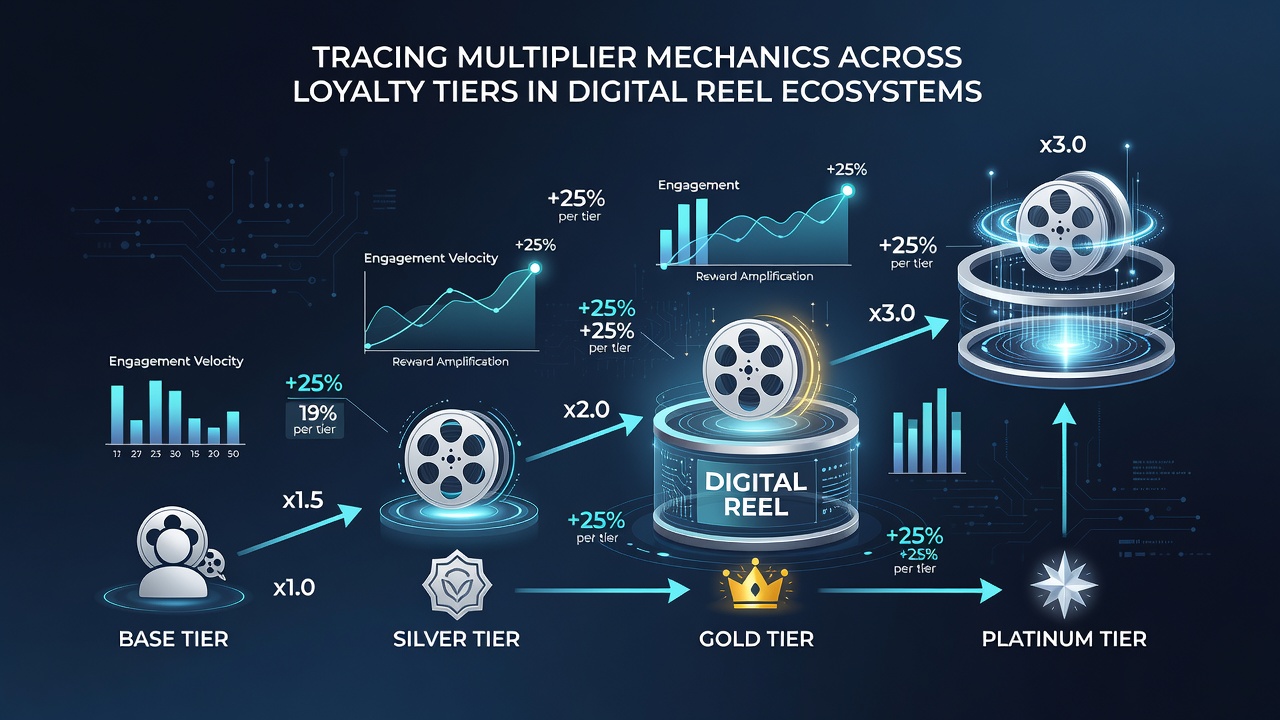
Digital reel ecosystems integrate multiplier systems that scale according to player status within structured loyalty frameworks, and operators adjust these values based on tier progression data collected through account tracking modules. Players advance through levels by accumulating points from wager volume, and each tier unlocks higher multiplier ranges that apply to base wins, bonus rounds, or progressive features during gameplay sessions.
Core Multiplier Structures in Tiered Programs
Entry-level tiers typically start with modest multipliers that range from 1x to 2x on standard reel combinations, while mid-tier accounts receive adjustments that push values into the 3x to 5x band on selected symbols or during free spin sequences. Higher tiers introduce multipliers reaching 8x to 15x that activate under specific conditions such as consecutive wins or feature triggers, and these values combine with other modifiers like wild substitutions to produce layered outcomes on individual spins.
Platform algorithms determine multiplier eligibility by referencing real-time loyalty balances, and operators update these parameters periodically to align wth overall engagement metrics reported across user segments. Data from industry tracking services shows that tier advancement correlates with increased session duration because players receive notifications about available multiplier boosts before initiating new rounds.
Integration with Bonus Features and Reel Dynamics
Multiplier mechanics extend into bonus rounds where tier status influences the frequency and magnitude of applied values, for instance converting a standard 3x scatter multiplier into a 6x or 9x variant once a player reaches teh third loyalty level. Reel configurations incorporate these adjustments through backend scripts that reference player profiles at the start of each feature, and this process occurs without altering the underlying random number generator outputs that govern symbol placement.
Studies from the Australian Gambling Research Centre indicate that such tier-based multipliers appear in approximately 65 percent of major online slot titles released after 2024, with the highest values reserved for accounts that maintain consistent activity over quarterly periods. Operators implement these systems to differentiate reward distribution while maintaining compliance with jurisdictional payout requirements.
Regional Variations and Platform Implementation
European operators often tie multiplier scaling to separate reward currencies that players exchange for tier upgrades, whereas North American platforms integrate multipliers directly into the main game interface without additional conversion steps. The Nevada Gaming Control Board published guidelines in early 2026 that require transparent disclosure of tier multiplier ranges within game rules, and these disclosures appear in help menus accessible before players place bets.
Platform updates scheduled around June 2026 introduced refined tracking for multiplier usage across mobile and desktop environments, allowing operators to monitor activation rates by tier without affecting spin outcomes. This approach helps identify patterns in how different loyalty segments interact with enhanced reel features during peak hours.
Technical Mechanics Behind Tier Progression
Backend databases log every wager and award points that determine tier movement, and multiplier access activates automatically once a player crosses the required threshold. Some ecosystems apply temporary multiplier boosts during promotional windows that stack with permanent tier benefits, creating short-term opportunities for elevated returns on specific titles.
Those who analyze player behavior data note that multiplier visibility in the user interface increases engagement metrics because players see potential values displayed alongside current tier indicators. This display method appears consistently across major providers that supply games to multiple jurisdictions.
Conclusion
Multiplier mechanics continue to evolve within loyalty structures as operators refine algorithms to match player activity patterns across digital reel platforms. Tier progression remains the primary driver for accessing elevated values, and regulatory frameworks in various regions establish disclosure standards that keep these systems transparent to users. Data collection from June 2026 onward will likely provide further insight into how these mechanics distribute across different market segments.