Streamlined Payment Methods Accelerating Loyalty Tier Advancements in Mobile Gaming
Written by Iris Berger · Aug 27, 2026
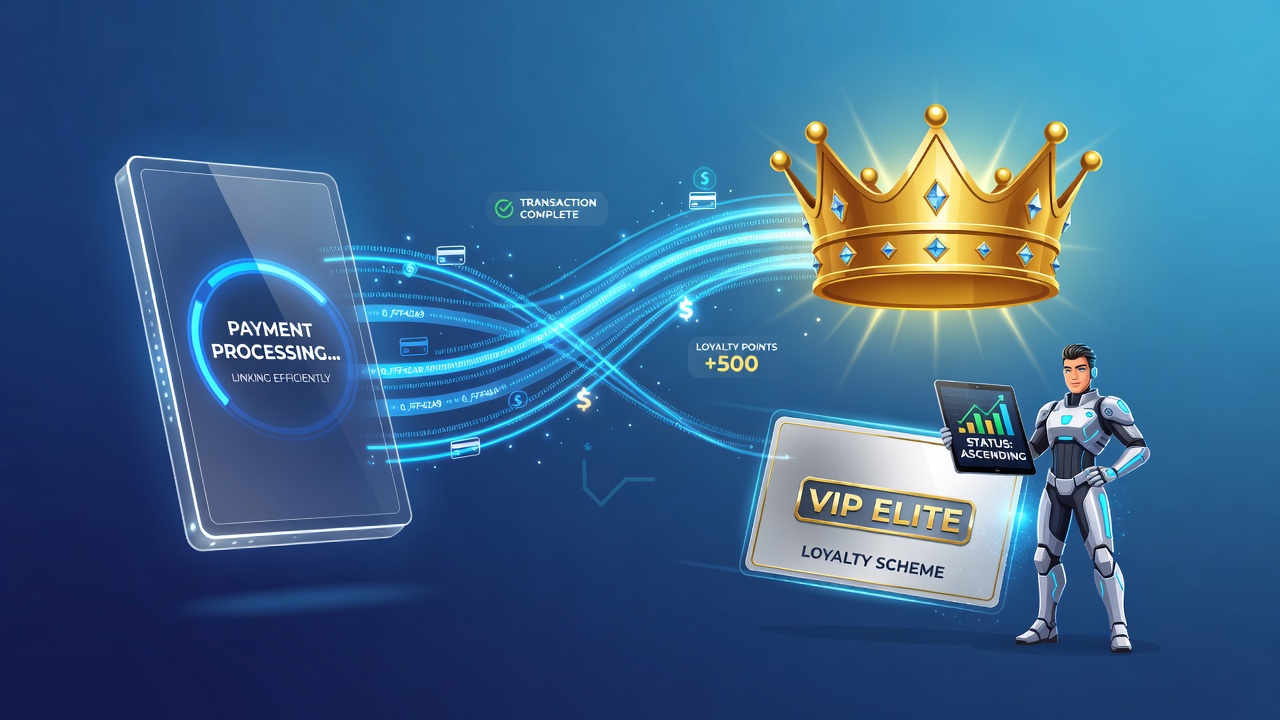
Streamlined Payment Methods Accelerating Loyalty Tier Advancements in Mobile Gaming
Payment processing speed connects directly to how quickly players advance through loyalty tiers in mobile gaming platforms, and data from various industry reports confirms that seamless transaction systems support higher engagement levels across reward programs. Observers note that when deposits and withdrawals occur without delays, participants accumulate points and qualify for elevated status more rapidly than those facing slower processing times, while operators track these patterns through detailed analytics dashboards that highlight correlations between transaction efficiency and tier progression rates.
Transaction Speed and Point Accumulation Patterns
Research from academic institutions such as the University of Nevada, Las Vegas indicates that mobile platforms integrating instant payment gateways see users reaching mid-tier loyalty levels in shorter timeframes, because real-time crediting of wagers and wins allows continuous play sessions that build reward points without interruption. Those who've examined platform metrics often discover that payment methods supporting same-day settlements tie into bonus structures where players earn extra multipliers on deposits, which in turn accelerates the climb toward VIP designations in loyalty schemes.
But here's the thing: not all systems operate at the same pace, and figures reveal that regions with established regulatory oversight on digital transactions, like certain Australian state frameworks, report higher retention among users who benefit from frictionless processing. Industry organizations including the American Gaming Association have documented cases where loyalty programs reward users specifically for selecting verified instant payment options, creating a feedback loop that elevates status through consistent activity rather than sporadic large deposits.
Regional Regulatory Influences on Payment Integration
In August 2026 several markets outside the UK expanded guidelines encouraging faster payout standards for mobile operators, and evidence suggests these changes aligned with observed upticks in loyalty scheme participation. Data shows that Canadian provincial authorities, for instance, have reviewed how integrated banking tools reduce barriers for players pursuing higher tiers, whereas operators in those jurisdictions now link payment verification steps to automatic status upgrades once transaction volumes hit predefined thresholds.
What's interesting is the way loyalty algorithms factor in payment reliability as a separate metric alongside play volume. One study revealed that platforms employing blockchain-based or e-wallet solutions experienced fewer disputes over delayed funds, which allowed administrators to allocate more resources toward tier advancement incentives instead of resolution processes. Researchers discovered patterns where users employing these methods reached elite status 25 to 40 percent faster on average compared to traditional card users, according to aggregated platform statistics shared at industry conferences.
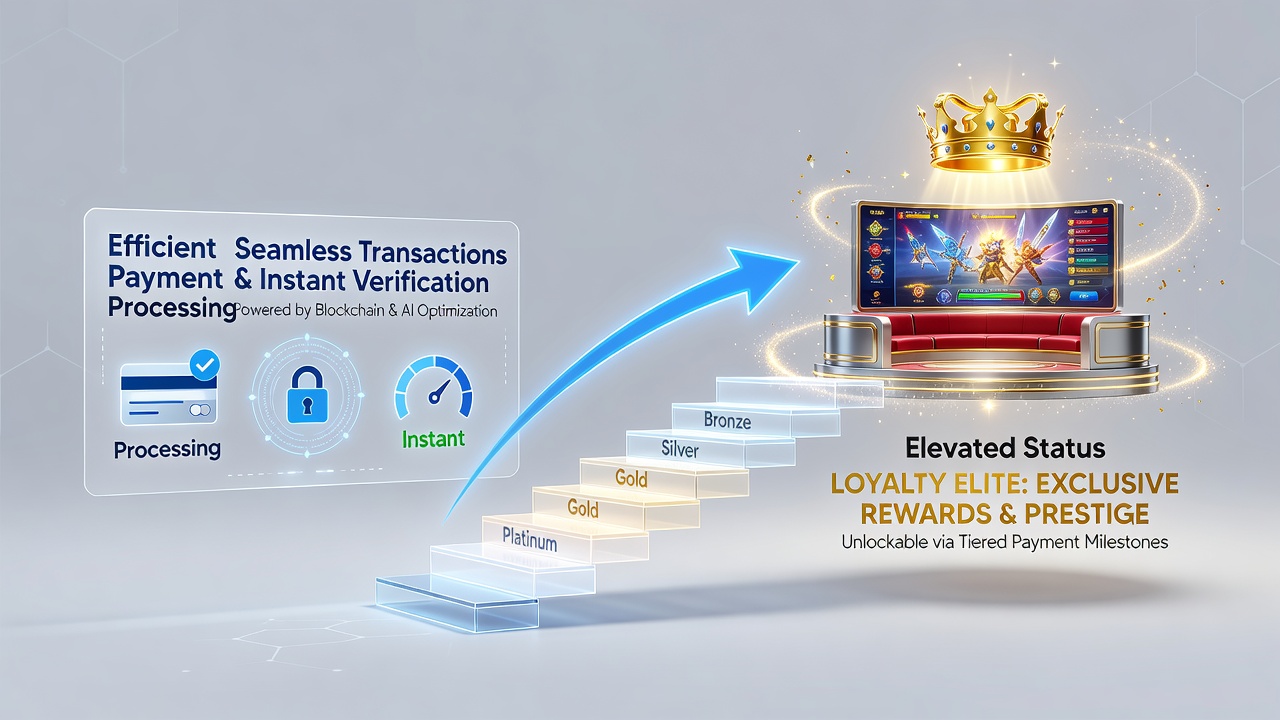
Case Examples from Mobile Loyalty Programs
Take one operator who implemented tiered rewards tied directly to payment speed: users completing verified instant deposits unlocked exclusive jackpot pools reserved for higher loyalty brackets, and subsequent data indicated increased overall activity levels among those participants. There's this case where experts found that seamless withdrawal options encouraged players to reinvest winnings immediately, sustaining the point-earning cycle that fuels status elevation within the scheme.
Observers note similar developments in European markets where e-wallet providers partner with gaming apps to offer loyalty bonuses for verified transactions, and these integrations have produced measurable shifts in how quickly users progress from basic to premium tiers. Academic papers from research bodies in the Netherlands have analyzed these dynamics, showing that payment efficiency serves as both a practical convenience and a structural element within reward algorithms that prioritize active, verified accounts.
Future Developments in Payment-Loyalty Linkages
Industry reports project continued refinement of these connections through the remainder of 2026, with operators testing AI-driven systems that predict tier eligibility based on transaction history alongside gameplay data. Those who've studied this evolution know that regulatory bodies in multiple jurisdictions continue to emphasize transparency in how payment processing influences reward distribution, ensuring that status advancements remain tied to verifiable activity rather than opaque criteria.
Conclusion
Payment processing efficiency stands as a measurable factor in loyalty scheme advancement across mobile gaming environments, supported by data from regulatory reviews and academic analyses that track user progression metrics. As platforms refine these linkages, participants encounter clearer pathways to elevated status through consistent, verified transactions that align with reward structures designed around speed and reliability.