Seamless Payment Routes Elevate Jackpot Tiers in Mobile Live Hybrid Casinos
Written by Riley Jung · May 21, 2026
Seamless Payment Routes Elevate Jackpot Tiers in Mobile Live Hybrid Casinos
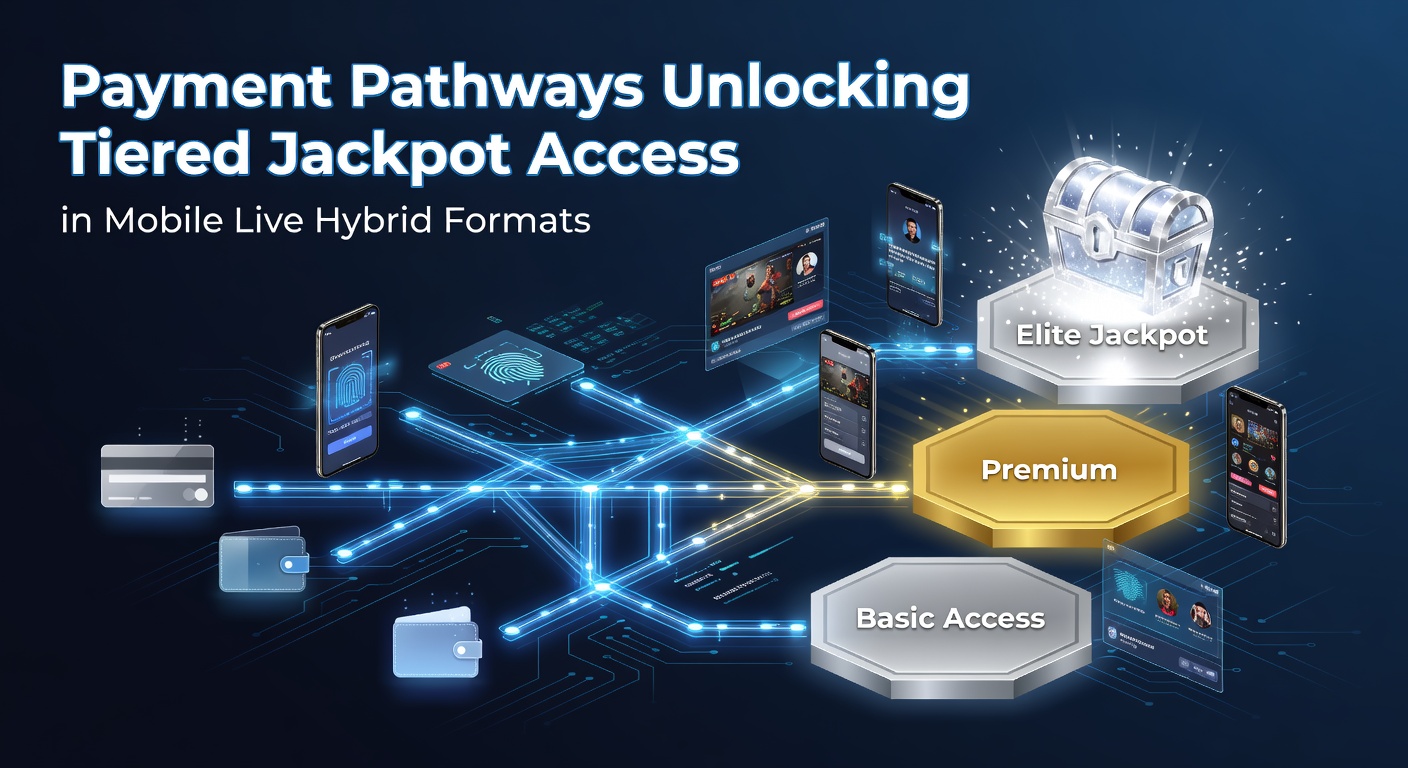
Payment systems have become central to how players gain entry into progressive jackpot structures inside mobile live hybrid formats, where live dealer interactions merge with slot mechanics on portable devices. Operators integrate instant deposit options that automatically sort participants into reward brackets based on transaction speed, volume, and method type. These pathways connect directly to backend systems that track eligibility for escalating jackpot pools, allowing quicker access to higher tiers without separate registration steps.
Payment Integration Mechanics in Hybrid Environments
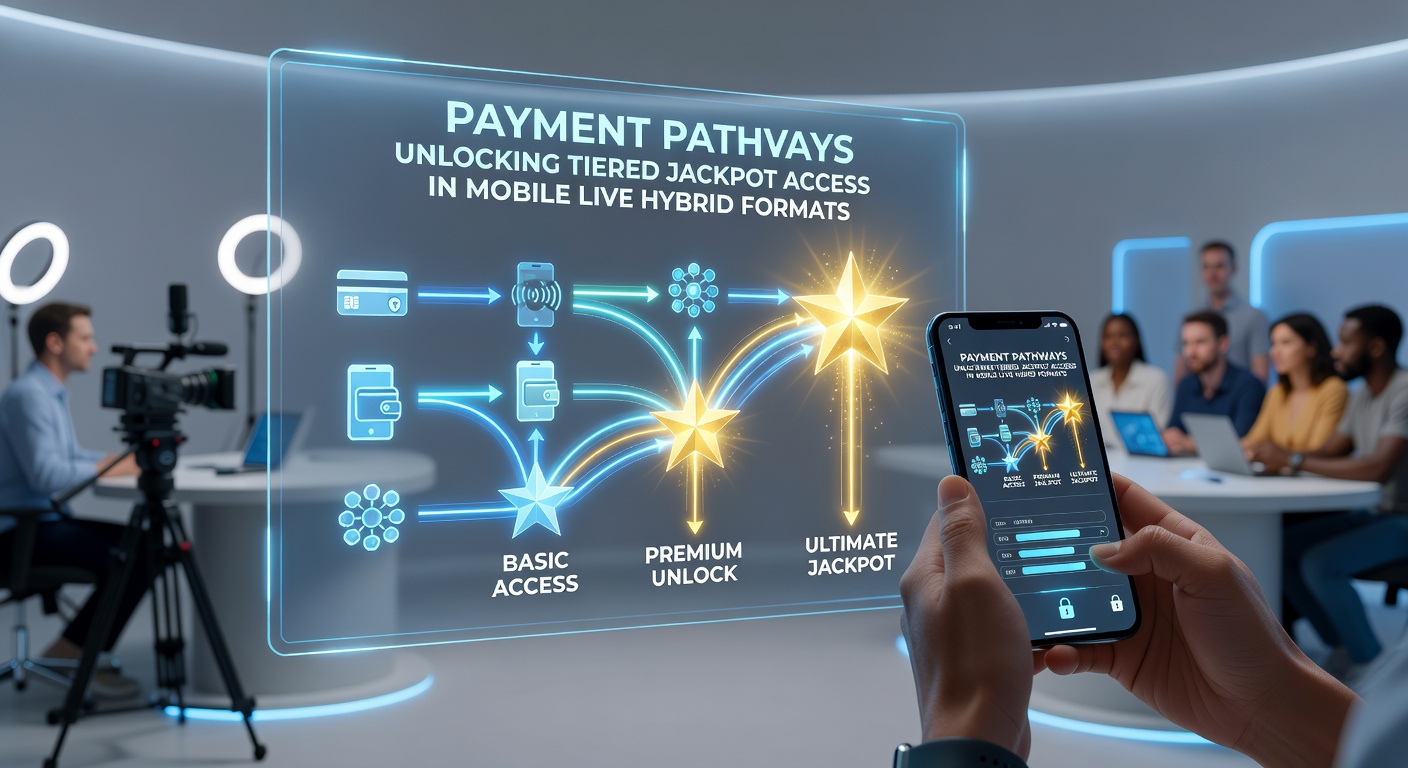
Hybrid platforms combine real-time video feeds from live tables with digital reel spins, yet payment pathways determine which jackpot layers become available during a session. A single deposit processed through supported e-wallets or bank transfers registers the user in tier one, while repeated or larger transactions within the same hour unlock tier two and three brackets. Data from platform analytics shows these automated classifications occur within seconds, keeping players engaged across both live and automated segments.
Researchers at the University of Nevada's International Gaming Institute documented how transaction latency affects tier progression in blended environments, noting that sub-second confirmations correlate with higher participation rates in multi-level jackpots. Operators adjust these thresholds monthly, incorporating feedback from user activity logs collected through May 2026 updates that refined mobile API connections for smoother handoffs between live and slot modules.
Tiered Access Patterns Across Mobile Networks
Players encounter distinct jackpot categories once payments clear verification layers, with lower tiers offering fixed prize pools and upper levels featuring progressive accumulations shared across global servers. Mobile applications display real-time tier status beside the live dealer window, updating as new deposits register. Observers note that hybrid formats benefit from this visibility because participants can switch between live blackjack and linked slot progressives without losing accumulated qualification points.
Industry reports from the European Gaming and Betting Association highlight that payment-linked tier systems now cover over 60 percent of new hybrid titles released in the first half of 2026, with Canadian provincial regulators requiring transparent disclosure of how deposit velocity influences jackpot brackets. These rules emerged after pilot programs demonstrated measurable differences in player retention when tier access felt immediate rather than delayed.
Examples from Current Platform Deployments
One major provider rolled out a hybrid title in early 2026 where deposits made via instant bank rails granted immediate entry to a secondary jackpot wheel visible during live dealer breaks. Another operator tested similar mechanics in Australia, linking local payment gateways to tiered prize ladders that reset weekly yet carried forward mobile session data. These cases illustrate how payment pathways serve as the gatekeepers rather than add-on loyalty programs.
Security and Compliance Considerations
Regulatory frameworks in multiple jurisdictions require encrypted payment channels that simultaneously verify identity and assign jackpot tiers without exposing sensitive data. Multi-factor authentication flows now embed tier calculations directly into the authorization step, reducing the number of separate checks players must complete. Figures released by the New Jersey Division of Gaming Enforcement indicate that platforms using these unified pathways experienced fewer compliance incidents during 2025 audits compared with legacy separate systems.
Security protocols also address cross-border mobile usage, where payment providers route transactions through regional servers that apply local tier rules automatically. This approach maintains consistency for users traveling between markets while satisfying varying legal requirements on jackpot transparency and fund segregation.
Future Developments Expected After May 2026
Platform developers continue refining API standards that allow third-party payment processors to push tier status updates in real time to both live dealer interfaces and slot engines. Testing scheduled through late 2026 focuses on incorporating biometric confirmation methods that further accelerate access to elite jackpot brackets without adding friction. Trade data from the Asia-Pacific Gaming Council suggests these enhancements could expand hybrid format adoption in emerging markets where mobile penetration already exceeds 85 percent.
Observers tracking these trends point out that payment pathway efficiency directly influences how quickly new jackpot tiers activate during live sessions, creating a tighter loop between funding and reward visibility. Continued collaboration between payment firms and game studios is expected to produce standardized protocols that operate across different regulatory zones.
Conclusion
Payment pathways now function as the primary mechanism for unlocking tiered jackpot access inside mobile live hybrid formats, with automated sorting based on transaction characteristics driving participation across progressive layers. Integration of instant processing, regulatory compliance, and real-time display features has streamlined the journey from deposit to eligible reward brackets. Ongoing refinements projected through the remainder of 2026 will likely strengthen these connections, supporting broader deployment of hybrid experiences that blend live elements with mobile slot progressives.