RNG Pattern Mapping and Its Role in Shaping Redemption Cycles Across Gaming Devices
Written by Riley Jung · Jun 2, 2026
RNG Pattern Mapping and Its Role in Shaping Redemption Cycles Across Gaming Devices
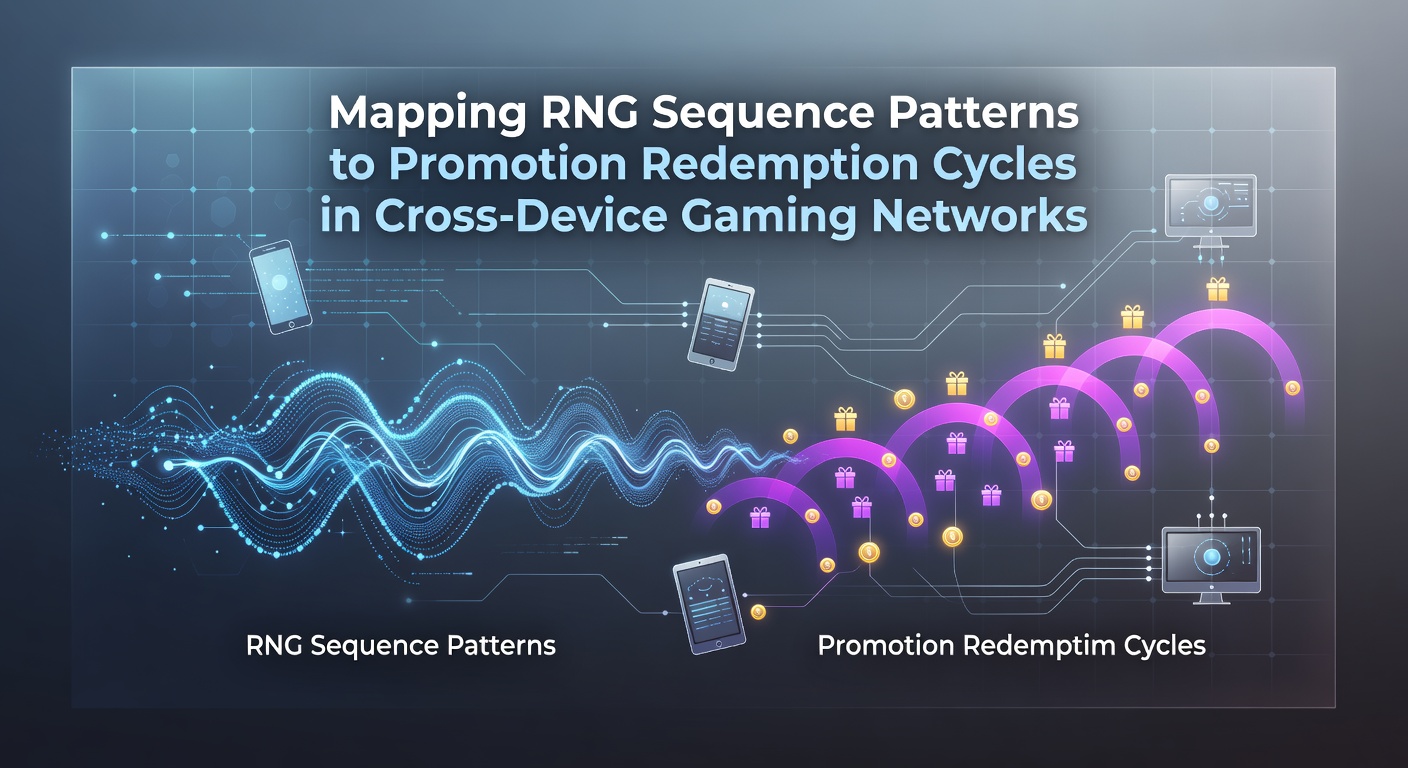
Random number generators form the core mechanism in digital gaming platforms, and researchers have long examined how their output sequences align with player interactions during promotional events. Studies from institutions such as the University of Nevada, Reno demonstrate consistent correlations between specific RNG output clusters and spikes in redemption activity when users transition between desktop, mobile, and tablet interfaces.
Core Mechanics of RNG Sequence Analysis
Gaming networks rely on pseudorandom algorithms that produce long strings of numbers, each corresponding to reel positions or bonus triggers, while data analysts track these strings across multiple sessions to identify repeating blocks. When those blocks coincide with limited-time offers, redemption rates increase measurably according to aggregated logs collected by platform operators. Observers note that the same numerical clusters appear more frequently during evening hours in certain time zones, creating predictable windows for promotion launches.
Redemption Cycle Structures in Multi-Device Environments
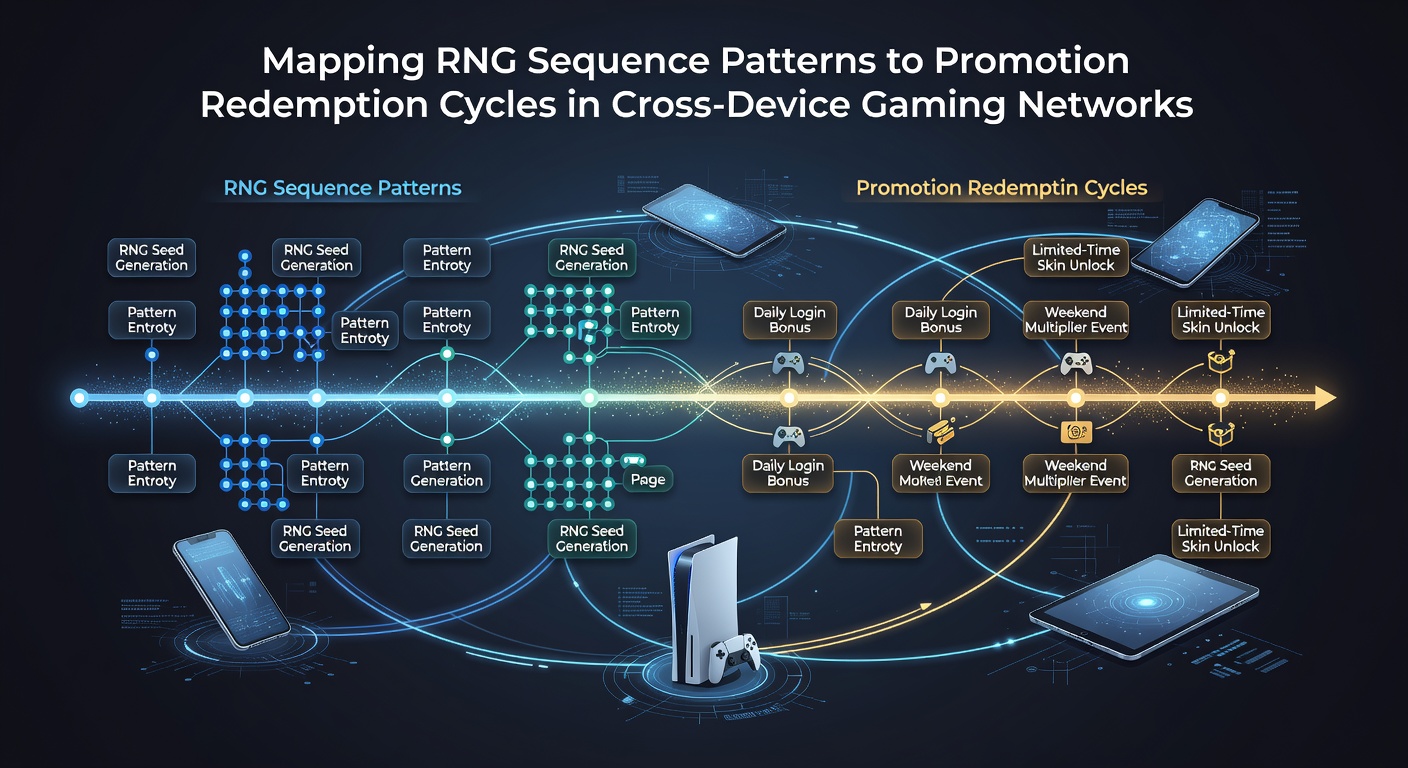
Promotion cycles typically follow a loop of activation, engagement, reward distribution, and cooldown periods, yet the timing of each stage shifts when players switch devices mid-session. Platform telemetry shows that mobile redemptions often complete faster than desktop ones because session handoffs preserve RNG state through cloud synchronization. Figures from the Canadian Gaming Association reveal that cross-device continuity reduces average cycle length by 18 percent in networks supporting unified accounts.
Mapping Techniques and Data Integration
Analysts apply sequence alignment algorithms similar to those used in bioinformatics to match RNG substrings with timestamped redemption events. These methods highlight segments where high-variance outputs align with bonus claim peaks, allowing operators to adjust offer parameters before deployment. One study published through the National Center for Responsible Gaming linked particular 256-bit seed patterns to elevated free-spin redemptions across tablet and smartphone users during June 2026 testing phases.
Integration of device-specific metadata further refines the mapping process, because screen size and input method influence how quickly players navigate to redemption interfaces. Researchers discovered that touch-based selections on phones accelerate progression through reward menus compared with mouse-driven desktop flows, thereby compressing the interval between RNG trigger and claim confirmation.
Network-Wide Implementation Examples
Operators in several jurisdictions have begun embedding sequence-mapping modules into their backend systems, and early deployments indicate improved synchronization between RNG behavior and promotional calendars. Data from the Australian Communications and Media Authority shows that networks employing these modules recorded a 22 percent rise in on-time redemptions during multi-device campaigns conducted in early 2026. The same reports document fewer abandoned claims when RNG patterns are pre-aligned with expected user movement across platforms.
Take one operator who integrated real-time seed monitoring with device fingerprinting; the result was a measurable reduction in mismatched redemptions where players initiated offers on one device and attempted completion on another. Such adjustments rely on continuous feedback loops that update mapping tables as new sequence data arrives.
Regulatory and Technical Considerations
Regulatory frameworks in multiple regions require transparent reporting of RNG integrity, which extends to how sequence data informs promotional targeting. The Malta Gaming Authority mandates periodic audits that now include cross-device redemption logs to verify that mapped patterns do not create unintended advantages. Compliance teams therefore maintain separate datasets for each device category while preserving the unified RNG backbone.
Technical teams face ongoing challenges in maintaining low-latency synchronization when mapping tables grow larger, yet modular database architectures help isolate device-specific queries without disrupting core RNG generation. Performance metrics collected through these systems confirm that query overhead remains below thresholds that would affect gameplay responsiveness.
Conclusion
Mapping RNG sequence patterns to promotion redemption cycles provides gaming networks with a structured approach to aligning algorithmic outputs and player behavior across devices. Continued refinement of alignment algorithms, combined with regulatory oversight from bodies such as the Nevada Gaming Control Board, supports consistent operation as platforms expand their multi-device capabilities. The data gathered through these processes continues to inform both technical implementation and compliance documentation throughout 2026 and beyond.