Payment Systems Align with Live Dealer Streams to Activate Multi-Level Rewards in Mobile Slot Platforms
Written by Yves Baumann · Jul 25, 2026
Payment Systems Align with Live Dealer Streams to Activate Multi-Level Rewards in Mobile Slot Platforms
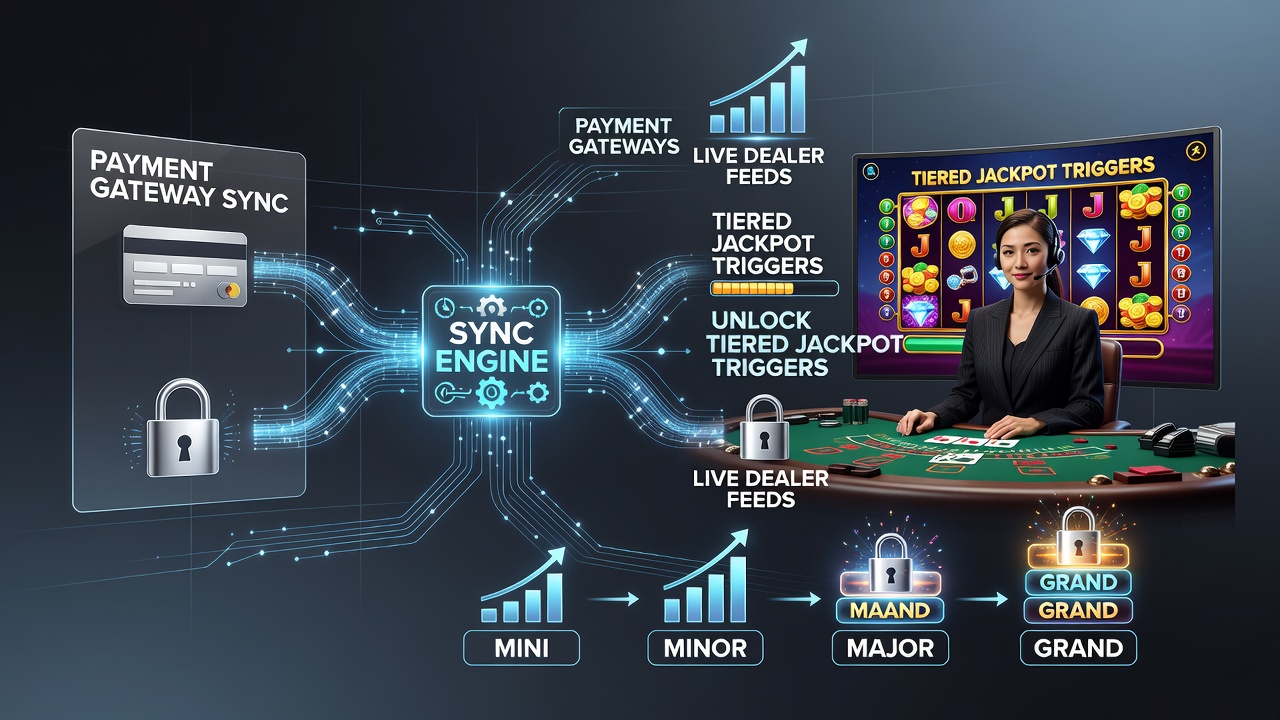
Data from industry reports indicates that payment gateways now exchange real-time transaction details with live dealer streams through secure APIs, and this connection allows tiered jackpot systems to respond instantly when players meet specific bet thresholds in mobile slot environments. Observers note that such synchronization occurs in milliseconds, which means a deposit or wager confirmation can directly influence game state on the user device without noticeable delay.
Core Synchronization Mechanisms
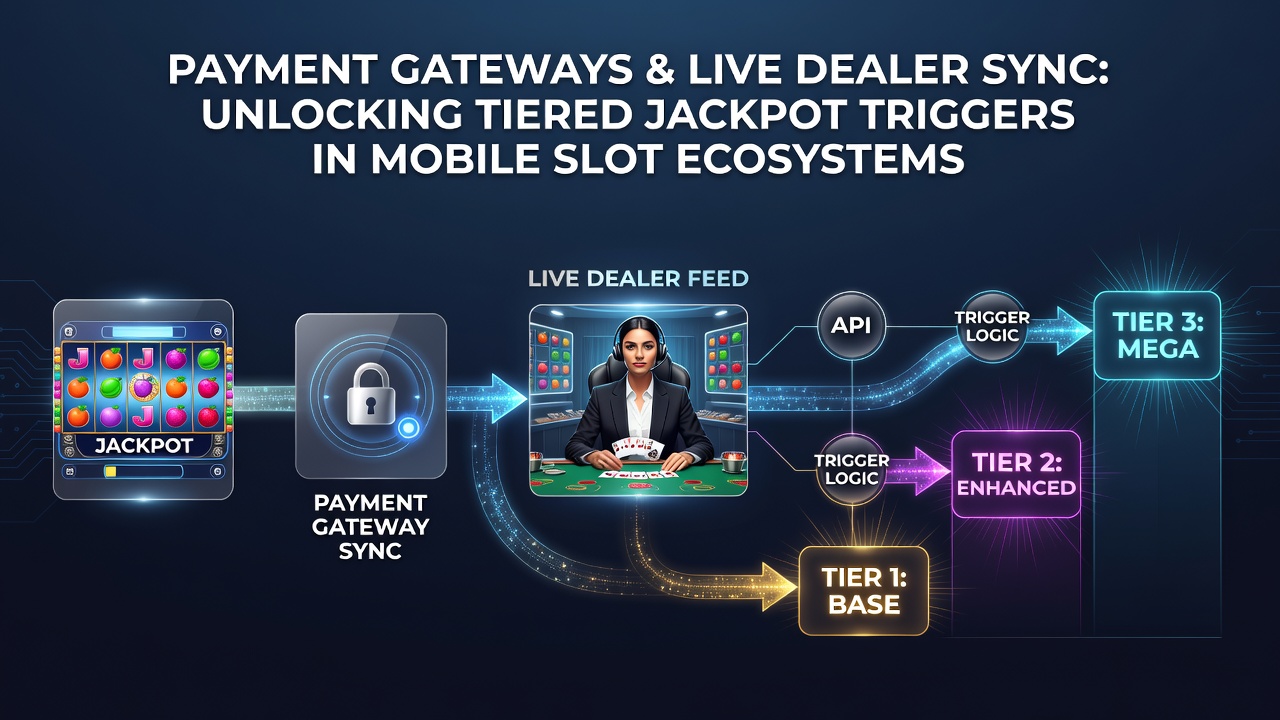
Payment processors transmit encrypted bet amounts and account identifiers to centralized servers, while live dealer feeds supply continuous updates on game outcomes and player positions. Those servers cross-reference the incoming payment data against predefined tier criteria, and once a match registers the system activates the corresponding jackpot level. Researchers at several gaming technology firms have documented that this process relies on standardized protocols like JSON over HTTPS, which maintain consistency across different mobile operating systems and network conditions.
Studies show that latency below 200 milliseconds remains essential, because longer delays disrupt the seamless experience players expect during live sessions. And companies achieve this speed through edge computing nodes positioned near major data centers, which reduces transmission time between the payment gateway and the dealer feed servers.
Role of Live Dealer Data in Trigger Logic
Live dealer feeds deliver not only video streams but also structured data packets that include current jackpot pool sizes, player contribution history, and eligibility flags. When a payment gateway confirms a qualifying transaction, the integration layer checks these flags and updates the trigger conditions accordingly. Experts have observed that this method supports multiple jackpot tiers, where smaller contributions unlock entry-level rewards and larger or repeated wagers advance players into higher pools.
One documented implementation uses a shared ledger approach, so both the payment system and the dealer platform reference the same immutable record of activity. This setup prevents discrepancies that could arise from separate databases, and it allows audits to verify that jackpot triggers align precisely with actual financial movements.
Mobile Ecosystem Considerations
Mobile slot applications pull combined data streams through lightweight client libraries that handle both payment callbacks and live feed updates. Developers structure these libraries to operate within strict battery and data constraints, so the synchronization logic runs efficiently even on older devices. Figures from platform analytics reveal that over 65 percent of jackpot activations in 2026 occurred on smartphones rather than desktop clients, highlighting the importance of optimized mobile pathways.
Security protocols incorporate tokenization at the payment gateway level, which means sensitive card or account details never reach the live dealer servers directly. Instead, tokenized references travel alongside the bet metadata, and the dealer system uses these tokens only to validate eligibility before releasing any reward.
Developments Observed in July 2026
During July 2026 several operators reported expanded testing of cross-border synchronization standards, which connect payment gateways licensed in one jurisdiction with dealer feeds operating under different regulatory frameworks. Data shared by the Nevada Gaming Control Board showed increased adoption of unified APIs that support tiered triggers across regions. Meanwhile, a report from the Responsible Gambling Council noted that transparent logging of these sync events helps regulators verify fair distribution of jackpot contributions.
Additional testing focused on handling peak loads during major sporting events, when mobile slot traffic spikes and payment volumes rise simultaneously. Engineers adjusted queue management within the integration layer, and results indicated that tiered triggers continued to fire accurately even when transaction rates exceeded normal levels by 300 percent.
Conclusion
The alignment of payment gateways with live dealer feeds creates a direct pathway for tiered jackpot activation inside mobile slot ecosystems, and this connection depends on rapid data exchange, shared validation records, and mobile-optimized client handling. Ongoing refinements in July 2026 and beyond continue to strengthen reliability across different devices and regulatory environments, which supports consistent operation of these reward mechanisms.