Payment Pathways Influence Reward Tier Advancement in Mobile Slot Experiences
Written by Eden Perry · Jul 28, 2026
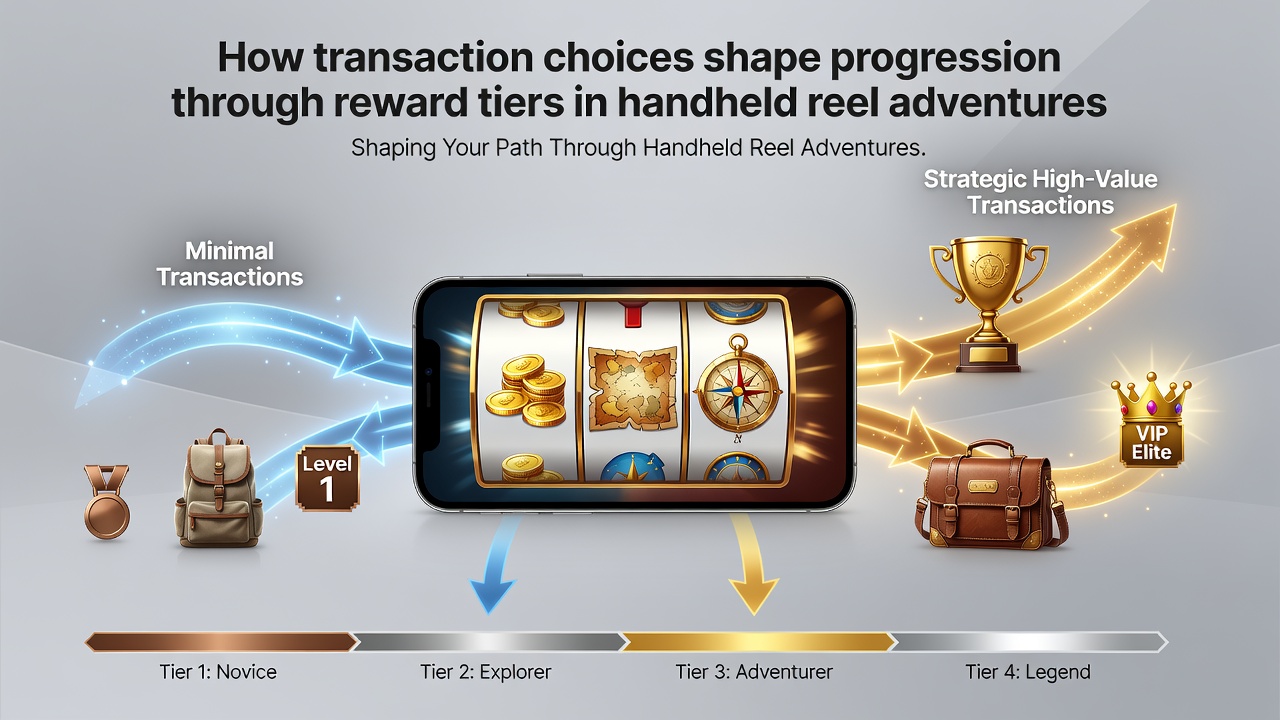
Payment Pathways Influence Reward Tier Advancement in Mobile Slot Experiences
Transaction selections in mobile slot platforms determine how quickly participants accumulate points and advance through loyalty structures, since deposit speed, method compatibility, and associated fees directly affect play volume and bonus eligibility. Observers note that e-wallet transfers often clear within seconds, allowing immediate access to reel sessions, whereas bank transfers introduce delays that limit same-day activity and slow point collection.
Core Mechanics Linking Transactions to Tier Movement
Handheld reel adventures operate on point systems where every wager contributes to tier thresholds, yet the initial funding choice sets the pace for reaching those thresholds. Research indicates that platforms award accelerated points when deposits occur through verified digital wallets, because these methods reduce processing friction and encourage higher session frequency. Data shows that credit card users sometimes face authorization holds that pause gameplay, creating gaps in continuous play that delay tier upgrades.
Speed and Verification Factors
Verification requirements vary by payment type, and those who've examined player logs find that pre-approved e-wallet accounts bypass repeated identity checks, sustaining momentum toward higher reward brackets. Instant payment rails, such as certain regional banking apps, complete in under a minute during peak hours, which means users maintain streak bonuses tied to consecutive days of activity. In contrast, slower options require additional confirmation steps that interrupt the cycle.
Bonus Structures Tied to Funding Methods
Many mobile programs attach tier-specific multipliers to deposits made via particular channels, and figures reveal that cryptocurrency transfers frequently unlock higher percentage matches because they carry lower merchant fees for operators. Participants who route funds through loyalty-linked cards accumulate extra points on the deposit itself, compounding the effect on overall progression. Studies found that these layered incentives create measurable differences in time required to reach elite status, with some users advancing one full tier within a single month when selecting optimized methods.
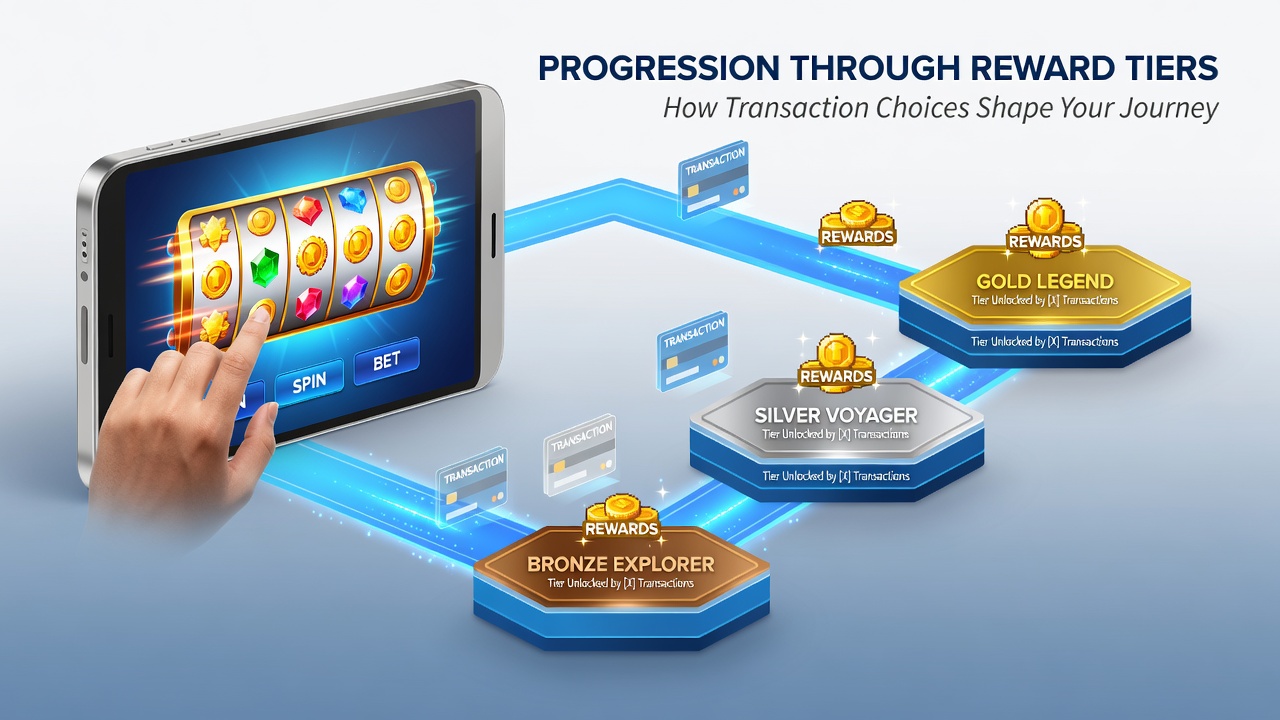
July 2026 updates to certain platform policies introduced new caps on fee-free transactions per tier, shifting the advantage toward users who consolidate larger deposits through lower-cost channels. Those who've tracked these changes report that the adjustment altered average advancement timelines across user segments.
Regional Regulatory Influences on Transaction Options
Regulatory frameworks outside the United Kingdom shape which payment types receive approval, and data from the Alcohol and Gaming Commission of Ontario highlights how licensed operators must maintain transparent fee disclosures that indirectly guide player choices toward methods supporting steady tier movement. Australian research coordinated through university gaming studies shows similar patterns, where approved digital wallets correlate with higher retention rates at mid-tier levels.
Practical Examples Across Platforms
Take one documented case where a user switched from card-based deposits to an instant banking app and recorded a 40 percent reduction in time to the next tier, according to internal analytics shared in industry reports. Another example involves players leveraging prepaid vouchers that bypass monthly spending limits, allowing sustained activity without triggering additional verification layers that pause progress.
Long-Term Effects on Player Retention and Spending Patterns
Longitudinal tracking demonstrates that consistent selection of high-speed, low-fee options correlates with sustained engagement at upper tiers, since uninterrupted play maintains multiplier benefits tied to consecutive activity. Payment history also influences personalized offers, with operators using transaction data to tailor reload bonuses that further accelerate movement through remaining levels. Evidence suggests these feedback loops reinforce the initial choice of method over extended periods.
Conclusion
Transaction choices therefore function as foundational variables in reward tier systems for handheld reel adventures, because they control deposit velocity, bonus eligibility, and point accrual rates. Mobile platforms continue refining these linkages, and available data from multiple regulatory and research sources confirms measurable impacts on progression timelines across user groups. Users who align payment selections with platform mechanics achieve tier targets more efficiently, while slower or higher-cost methods extend the intervals between advancements.