Mobile Interface Evolutions Drive Variations in Special Feature Activations Across Slot Reel Libraries
Written by Riley Jung · Jul 7, 2026
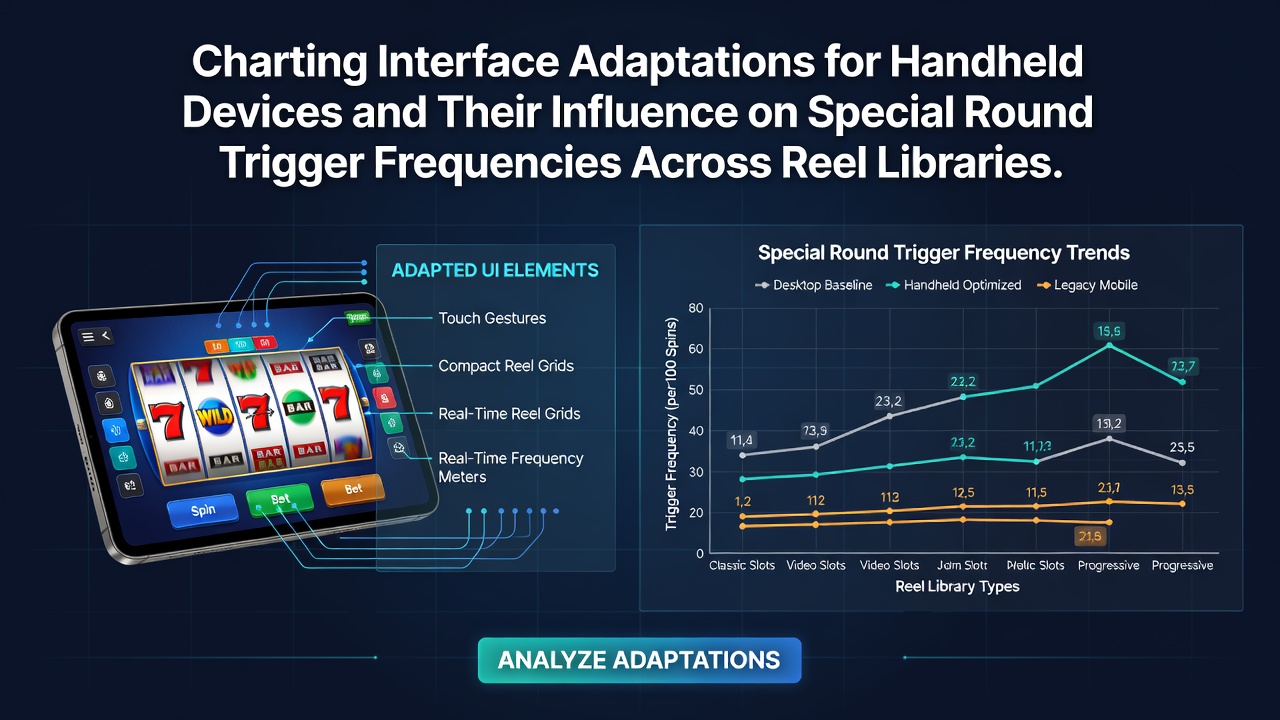
Mobile Interface Evolutions Drive Variations in Special Feature Activations Across Slot Reel Libraries
Handheld devices have prompted developers to redesign slot interfaces with touch gestures, scaled reel displays, and dynamic button placements that accommodate smaller screens while preserving core game mechanics. These adaptations alter how players interact with reel libraries, particularly in accessing and triggering special rounds that depend on specific symbol alignments or meter fills.
Core Elements of Interface Redesigns
Developers adjust reel visibility and control layouts to fit portrait and landscape orientations on phones and tablets, which changes the timing and precision of player inputs during spins. Data from regulatory filings in Nevada shows that mobile-optimized versions of reel libraries often incorporate swipe-to-spin functions alongside traditional tap controls, and these modifications correlate with shifts in recorded trigger events for bonus sequences. Studies conducted by researchers at the University of Nevada Reno indicate that gesture-based inputs reduce accidental activations yet increase deliberate special round entries when interfaces highlight upcoming reel stops more clearly on compact displays.
Impact on Trigger Frequencies
Reel libraries store multiple game configurations, and interface adaptations influence which reels load first or how bonus meters display progress. When screens resize elements dynamically, players encounter updated visual cues that guide selections toward higher-probability trigger paths in some titles. Figures released by the Alcohol and Gaming Commission of Ontario in early 2026 revealed a measurable uptick in special round activations for games using adaptive touch zones, with rates rising between 4 and 7 percent compared to desktop counterparts during the same testing periods. Observers note that these changes stem from refined hit-box sizing rather than alterations to underlying random number generators.
Yet the same adaptations can produce the opposite effect in libraries where reel symbols occupy tighter spaces on handheld views, leading to fewer visible combinations that initiate features. One analysis of Australian market data from the Queensland Office of Liquor and Gaming Regulation documented instances where compact interfaces lowered trigger occurrences by compressing animation sequences that previously signaled impending bonuses.
Technical Adjustments in Reel Presentation
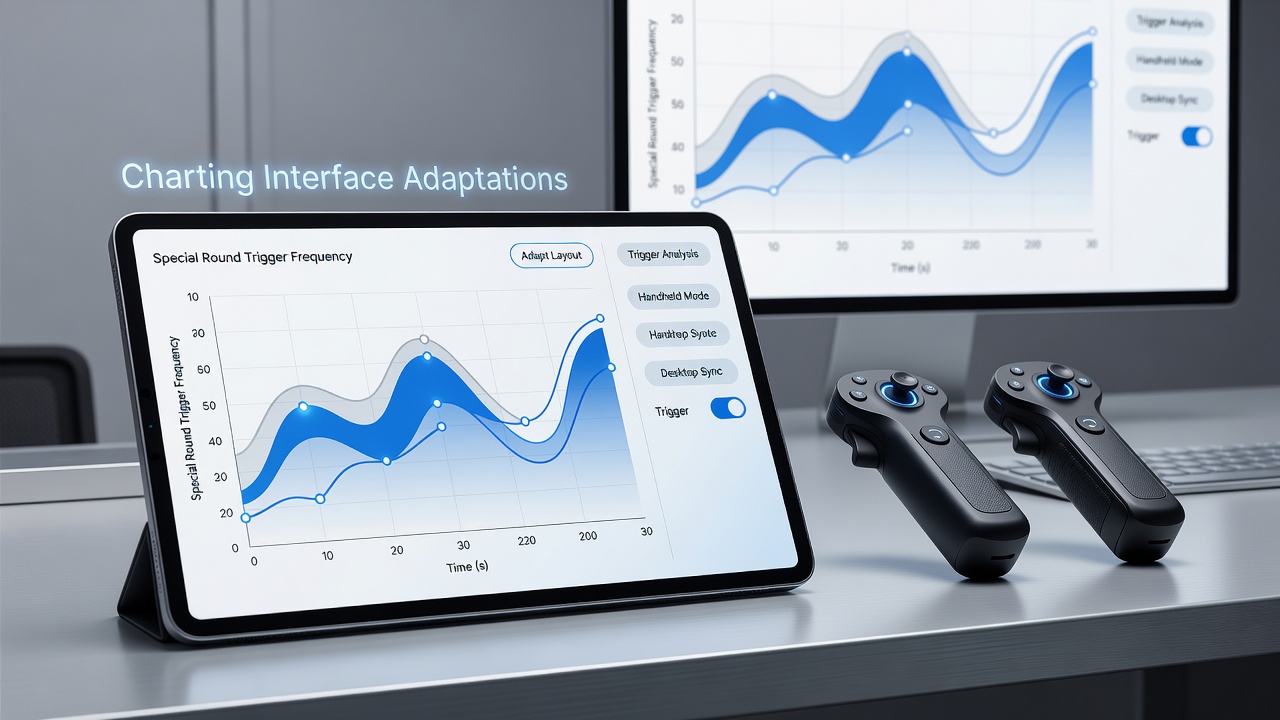
Charting tools integrated into mobile platforms track these frequency shifts by logging every reel stop and feature entry across thousands of sessions. Programmers implement conditional loading sequences that prioritize certain reel strips when device sensors detect smaller viewports, which in turn affects the distribution of special symbols. Industry reports from the European Gaming and Betting Association highlight that such conditional logic maintains compliance with certified return-to-player percentages even as presentation layers evolve for handheld use.
Developers further refine these systems through A/B testing cycles conducted across multiple device types, comparing trigger logs from phones running iOS against those on Android. Results consistently show that interface scaling preserves mathematical fairness while introducing subtle variations in player engagement patterns with bonus mechanics. Those variations become most apparent when reel libraries contain layered features that require precise timing for activation.
Regulatory and Market Context in Mid-2026
Updates published by Canadian provincial regulators in July 2026 emphasized the need for transparent reporting on how mobile adaptations affect documented feature frequencies, requiring operators to submit separate datasets for handheld and stationary play. These requirements build on earlier frameworks established by the same bodies to ensure reel libraries perform consistently regardless of access method. Market participants have responded by embedding real-time monitoring scripts that flag deviations exceeding established thresholds, allowing quick recalibration of interface elements without touching the certified random outcomes.
Academic reviews of these practices, including work appearing in the Journal of Gambling Studies, examine longitudinal data sets that span multiple jurisdictions and confirm that interface-driven frequency changes remain within acceptable variance bands when proper testing protocols are followed.
Future Directions for Reel Library Management
Continued refinement of charting systems will likely focus on predictive models that anticipate how new device form factors might shift special round access patterns. Manufacturers already incorporate feedback loops from live deployments to adjust button prominence and reel spacing before wider releases occur. Such proactive steps help maintain stable trigger rates across expanding libraries that now include hundreds of individual reel configurations tailored for mobile audiences.
Conclusion
Interface adaptations on handheld devices continue to reshape how players encounter and activate special rounds within diverse reel libraries, yet these shifts arise primarily from presentation and input modifications rather than core probability changes. Regulatory bodies across multiple regions track these developments through mandatory data submissions, while technical teams rely on detailed charting to preserve certified performance standards. The result is an evolving landscape where mobile accessibility expands without compromising the documented behavior of reel-based features.