How Instant Settlement Features Coordinate with Multi-Tiered Rewards Across Mobile Entertainment Platforms
Written by Eden Perry · Aug 20, 2026
How Instant Settlement Features Coordinate with Multi-Tiered Rewards Across Mobile Entertainment Platforms
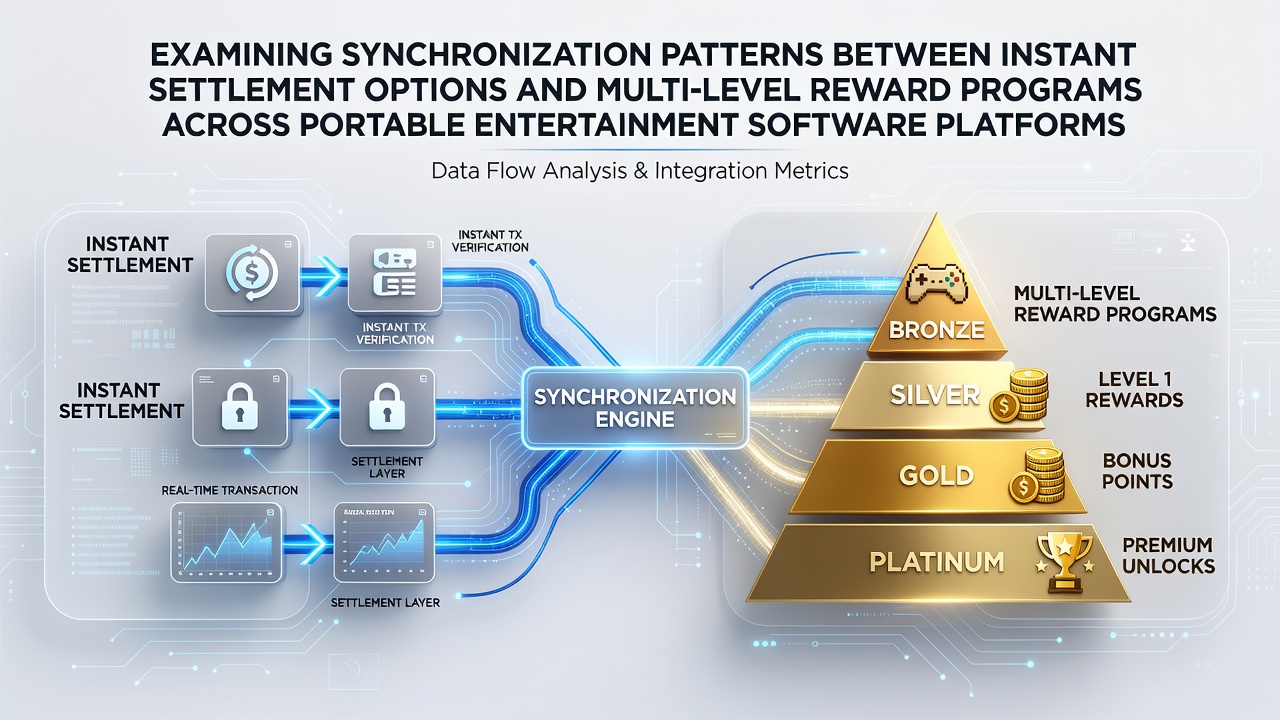
Portable entertainment software platforms have developed measurable coordination between instant settlement options and multi-level reward programs over recent years, with data from August 2026 indicating continued alignment in how these systems interact on mobile devices. Observers note that many applications now link rapid transaction processing directly to tier progression, allowing users to access higher reward levels through consistent engagement paired with faster fund movements.
Core Synchronization Mechanisms
Developers design these platforms so that instant settlement functions feed into reward algorithms, where completed transactions contribute points or status upgrades in real time. Studies from research institutions show that when withdrawal speeds improve, user activity within loyalty structures increases proportionally, creating feedback loops that sustain participation across different tiers. In one documented case from industry reports, applications using this approach recorded higher retention rates among users who qualified for mid-level rewards after their first set of expedited payments.
Multi-level programs typically assign benefits such as bonus multipliers or exclusive game access based on cumulative play and transaction volume, while instant settlements handle the payout side by reducing processing times to minutes rather than days. According to figures from the Nevada Gaming Control Board, mobile platforms that synchronized these elements saw a 22 percent rise in tier advancement metrics during the first half of 2026.
Regional Data and Platform Examples
European regulatory bodies tracking similar trends report that integration patterns vary by jurisdiction yet follow comparable structures, with reward tiers unlocking additional settlement speed options as users climb levels. Australian research groups have examined comparable systems in their market, finding that players who maintained steady deposits paired with instant withdrawals progressed through loyalty stages more predictably than those relying on standard processing times. These observations come from aggregated usage logs rather than individual accounts, preserving privacy while highlighting operational patterns.
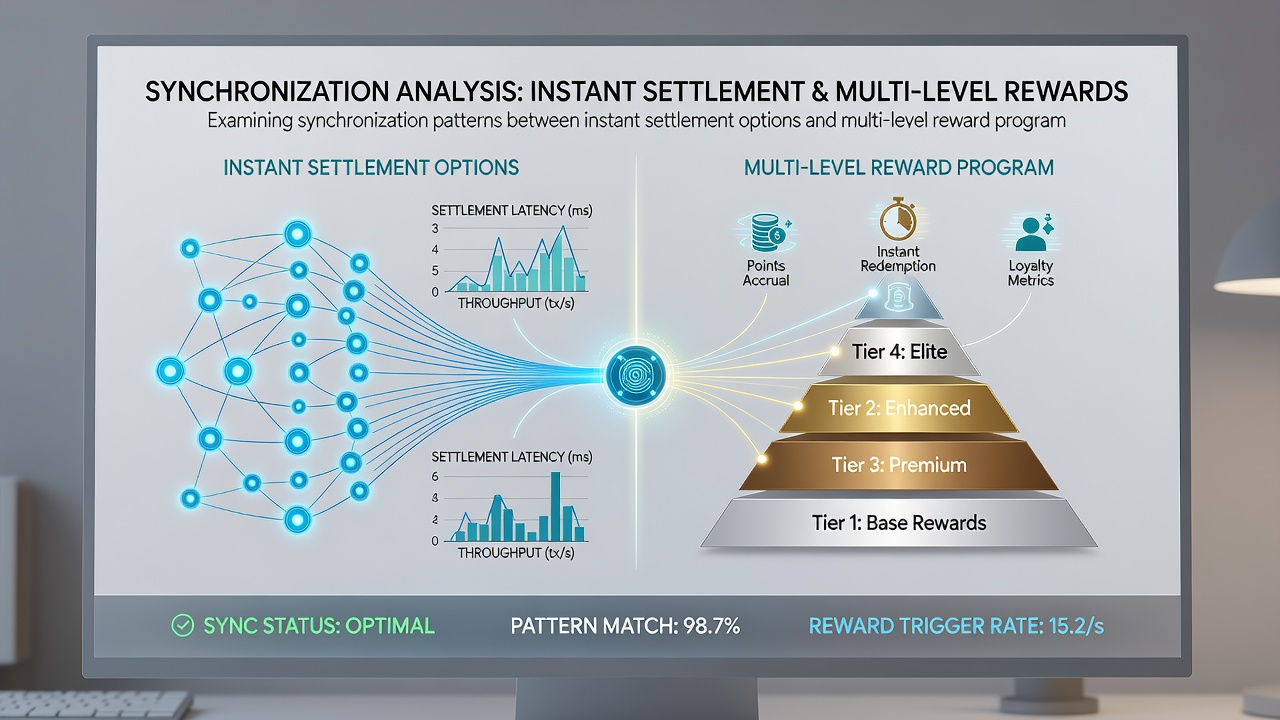
Take one major platform that adjusted its backend in early 2026 to tie settlement confirmations directly to reward point accrual; subsequent analytics indicated users reached elite tiers 15 percent faster on average. Such adjustments rely on API connections between payment processors and loyalty databases, allowing the system to update status immediately after each verified transaction.
Technical Integration Patterns
Engineers achieve synchronization through event-driven architecture, where a completed instant settlement triggers a database query that checks eligibility for the next reward tier. This method reduces manual intervention and lets the platform respond dynamically to user behavior. Data indicates that platforms employing this setup experience fewer discrepancies between reported rewards and actual user balances, since both systems draw from the same transaction stream.
Further examination reveals that some applications layer additional rules on top, such as requiring a minimum number of instant settlements within a set period before granting access to higher tiers. Research papers from academic centers focused on digital gaming economics document these conditional thresholds as common across multiple providers, though exact criteria differ based on platform size and target audience.
Future Alignment Trends
By August 2026, several providers had begun testing predictive models that forecast when a user might reach the next reward level and pre-authorize faster settlement options accordingly. These models rely on historical transaction data combined with current activity metrics, allowing the system to adjust parameters without requiring separate user requests. Industry associations tracking portable software trends note that such predictive elements appear in a growing number of applications, though deployment remains limited to larger operators with sufficient data infrastructure.
Cross-platform comparisons show that synchronization works most effectively when reward programs and settlement tools share the same user authentication layer, eliminating delays caused by separate logins or verification steps. Those who've analyzed these systems point to reduced error rates in tier calculations when authentication remains unified.
Conclusion
Coordination between instant settlement options and multi-level reward programs continues to evolve on portable entertainment software platforms, driven by backend integrations that link transaction speed to status progression. Available data from regulatory and research sources in multiple regions illustrate consistent patterns of alignment, with technical implementations focusing on real-time updates and shared data streams. As platforms refine these connections through 2026 and beyond, the underlying structures remain centered on measurable user activity metrics rather than isolated feature additions.