Gordon Brown Urges Higher Machine Games Duty on Betting Shop Machines to Support Energy Costs
Written by Iris Berger · Aug 27, 2026

Gordon Brown Urges Higher Machine Games Duty on Betting Shop Machines to Support Energy Costs
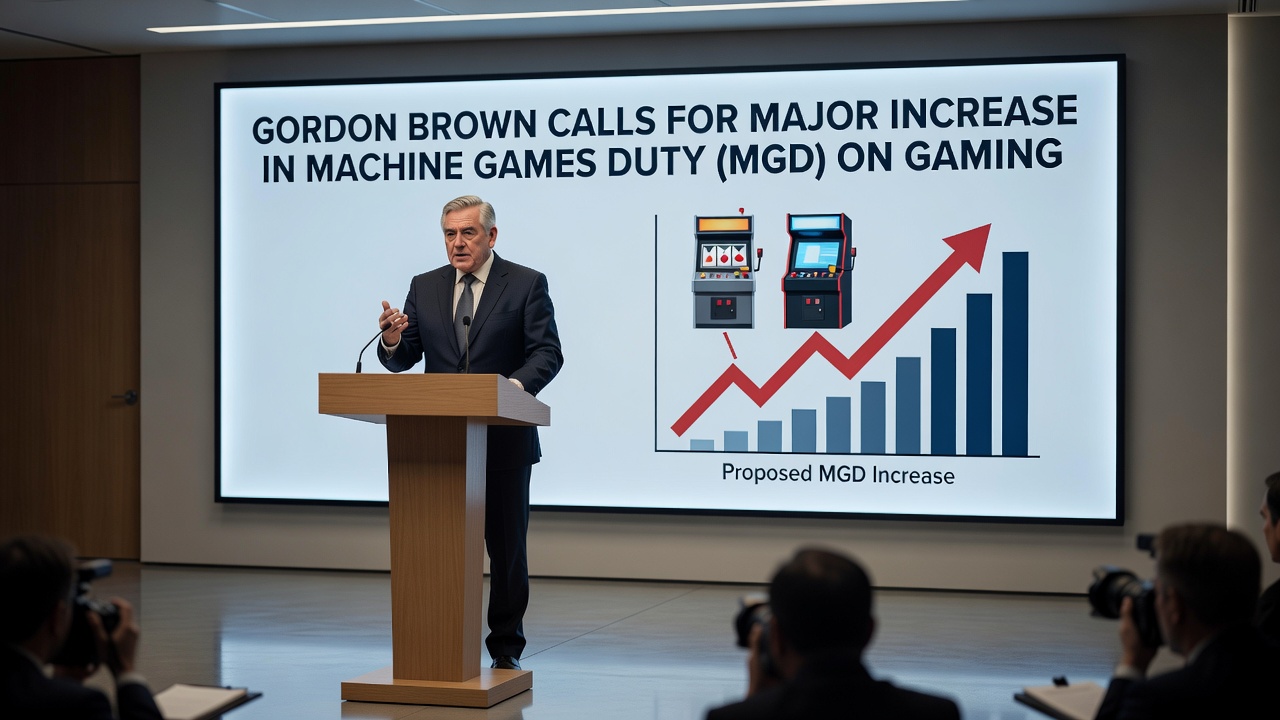
Former UK Prime Minister Gordon Brown has called for a substantial rise in machine games duty applied to gaming machines located in adult entertainment centres and betting shops, with the aim of generating up to £500 million that could help offset rising household energy bills. The proposal focuses specifically on these venues while leaving bingo halls and pubs unaffected, and it has prompted immediate discussion among industry groups about effects on employment and related sectors such as horseracing.Details of the Proposed Duty Increase
Brown outlined the measure as a targeted adjustment to existing taxation on fixed-odds betting terminals and similar machines found in high-street betting shops and adult gaming centres. According to the suggestion, the increased rate would apply only to these locations, sparing other forms of gaming premises that already operate under different duty structures. Data from government revenue figures show that machine games duty currently contributes several hundred million pounds annually across the sector, and an uplift could expand that total significantly if implemented as described.
Those who have reviewed the proposal note that the funds raised would be directed toward assistance programs for household energy expenses, which have climbed in recent years due to wholesale price fluctuations. The estimate of £500 million represents an upper-bound projection based on current machine numbers and play volumes reported by operators in the adult entertainment segment.
Industry Response and Potential Closures
The Betting and Gaming Council responded by highlighting risks of widespread venue closures if the duty hike moves forward. Council representatives stated that higher operating costs on gaming machines could force some betting shops to reduce hours or shut locations entirely, particularly in areas where footfall has already declined. They pointed to employment data indicating that thousands of jobs depend on the current network of high-street outlets, and any contraction could affect staff directly tied to machine operations and customer services.
Observers familiar with the betting shop estate add that reduced viability might also diminish contributions to the horseracing levy and media rights payments, which rely in part on revenue generated through these venues. Industry estimates on tax hike impacts suggest that operators could face margin compression that leaves less room for sponsorship and levy obligations already embedded in their business models.
Broader Context in August 2026
In August 2026 the discussion arrives amid ongoing reviews of gambling taxation and regulatory frameworks set by the Gambling Commission. Policymakers continue to examine how duty rates interact with player protection measures and venue sustainability, and Brown's intervention adds a specific revenue target to those conversations. Figures released by HM Revenue and Customs in prior quarters illustrate steady collections from machine games duty, yet they also reflect regional variations in machine density that could influence how uniformly any increase would land across the country.
Stakeholders in the adult gaming centre space have begun modeling scenarios that factor in both the proposed duty adjustment and existing compliance costs. These analyses show potential shifts in machine mix or operating schedules as operators seek to maintain profitability without passing additional burdens directly to players through higher stakes.
Conclusion
The proposal from Gordon Brown remains at the discussion stage, with no immediate legislative timeline attached. Government departments responsible for fiscal policy and gambling regulation will evaluate the revenue projections alongside the concerns raised by the Betting and Gaming Council regarding jobs and downstream industries. Further data on machine usage and venue economics will likely inform any next steps, while the focus stays on balancing energy bill support with the operational realities of the affected premises.