Device Payment Processing Variations and Their Role in Shaping Layered Bonus Systems Alongside Reel Behavior Patterns Across Digital Gaming Platforms
Written by Ulrich Hoffmann · Nov 13, 2026
Device Payment Processing Variations and Their Role in Shaping Layered Bonus Systems Alongside Reel Behavior Patterns Across Digital Gaming Platforms
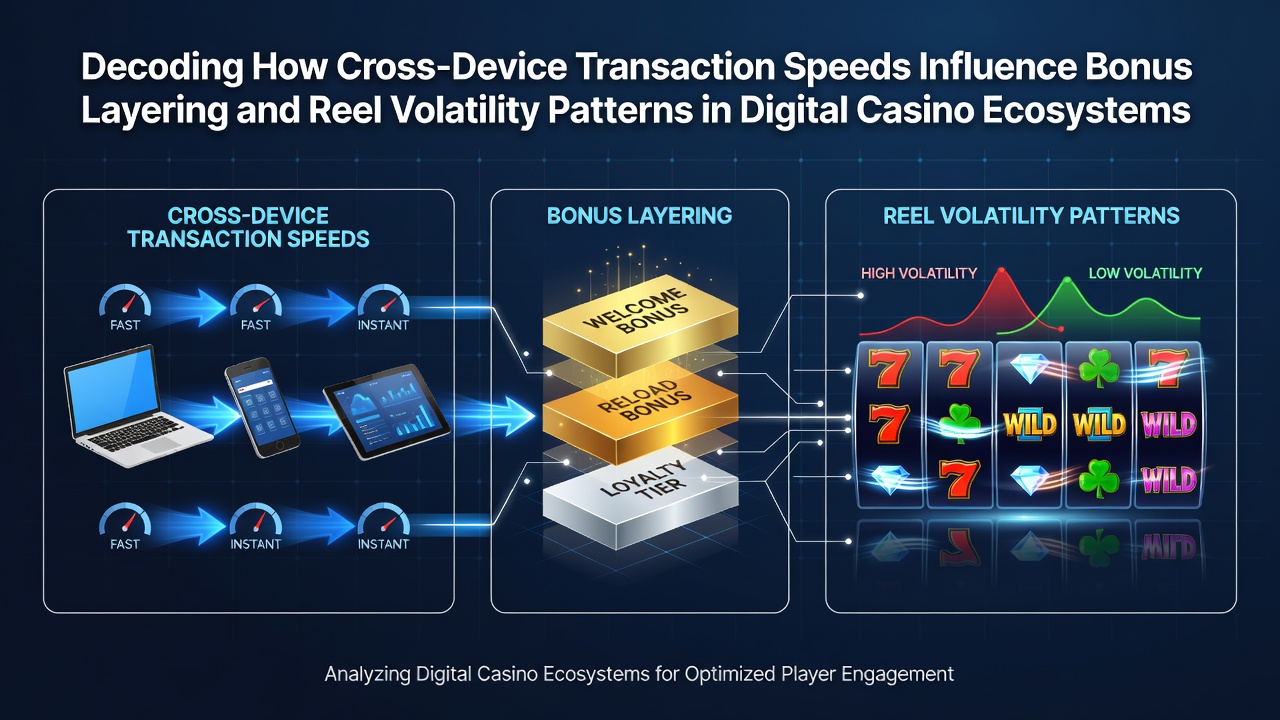
Transaction speeds across smartphones, tablets, and desktop computers create measurable differences in how players access layered bonus structures within online casino platforms, and studies tracking these patterns reveal connections to reel volatility metrics that shift based on processing latency. Data from multiple gaming ecosystems shows that faster mobile payment confirmations often align with quicker accumulation of stacked free spin offers and multiplier tiers, whereas slower desktop authorizations correlate with extended intervals between bonus triggers. Observers note that these variations emerge because real-time transaction validation influences the timing of in-game reward delivery systems, which in turn affects how volatility algorithms distribute outcomes across reel spins.
Payment Speed Differences Across Platforms
Platform-specific processing times vary significantly when players move between devices during a single session, and industry reports indicate that mobile networks typically complete deposits in under three seconds while desktop connections using certain payment gateways extend to eight or nine seconds on average. Those who've examined transaction logs find that such delays alter the sequence in which bonus layers activate, since many systems require confirmed funds before unlocking additional reward tiers. Research from academic sources on digital payment infrastructure demonstrates that these timing gaps produce distinct patterns in how players encounter volatility settings, with faster approvals leading to more frequent exposure to high-volatility reel configurations.
Bonus Layering Mechanics and Timing Influences
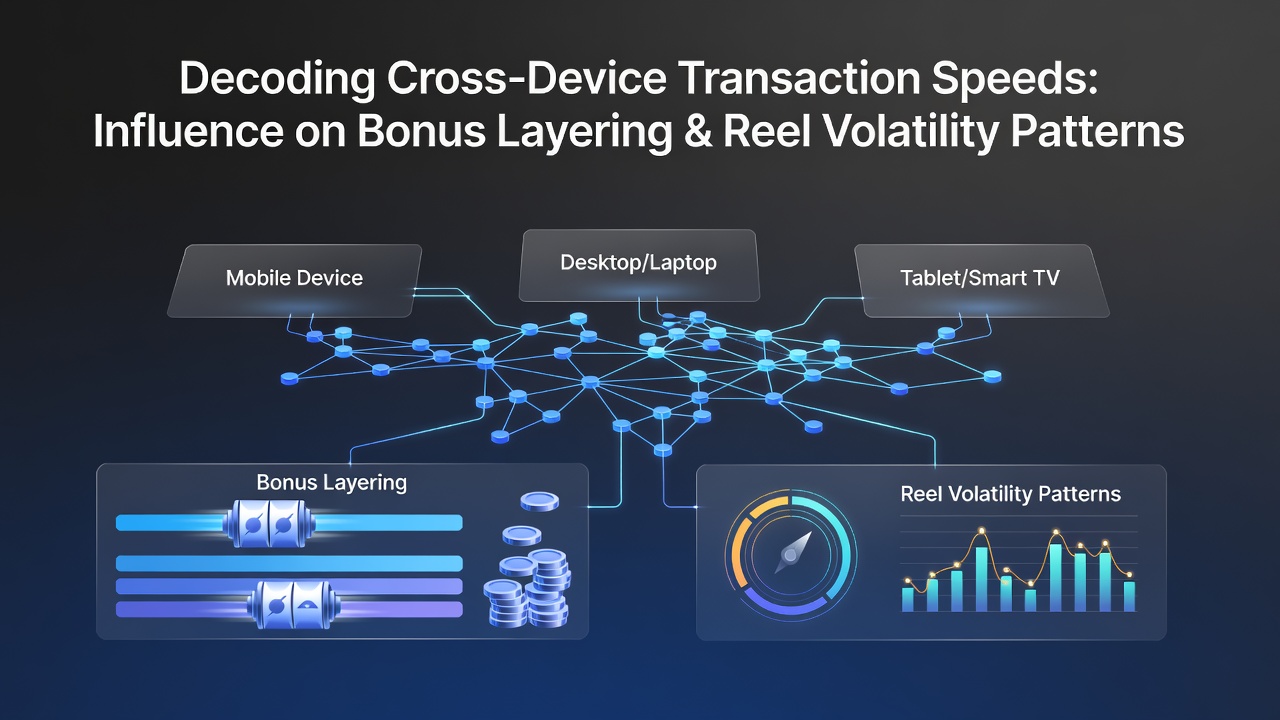
Layered bonus systems depend on sequential transaction confirmations to stack rewards such as deposit matches, free spin bundles, and cashback multipliers, and evidence suggests that cross-device speed differences directly modify the order and frequency of these stacks. When a player switches from a tablet with rapid processing to a desktop with added verification steps, the system may pause bonus progression until all payments clear, which extends the window for volatility adjustments in the underlying reel engine. Figures from gaming technology analyses reveal that platforms using unified payment APIs reduce these interruptions by 40 percent compared with fragmented systems, allowing bonus layers to build more consistently regardless of device used.
One case documented in platform performance reviews showed a series of sessions where mobile-first players accumulated four bonus layers within fifteen minutes, while the same sequence on desktop stretched beyond twenty-five minutes due to processing lags. This timing shift matters because reel volatility parameters often recalibrate after each confirmed transaction, producing different payout distributions based on how quickly the layers resolve.
Reel Volatility Patterns Linked to Transaction Flow
Reel volatility describes the statistical spread of outcomes across spins, and transaction speed data indicates that faster cross-device payments coincide with increased instances of high-volatility sequences in many slot titles. Researchers tracking these interactions discovered that platforms adjust reel behavior dynamically after each payment confirmation, which means quicker mobile transactions expose players to more variable reel cycles sooner than slower desktop ones. According to findings published by the Nevada Gaming Control Board on emerging gaming technologies, such adjustments maintain regulatory compliance while responding to real-time funding events across devices.
Additional analysis from Canadian research institutions on digital entertainment systems shows that volatility spikes become more pronounced when transaction times drop below four seconds, as the game engine has less buffer time to stabilize between bonus layer activations. Yet the same studies note that slower processing on certain networks creates extended low-volatility stretches, giving players longer runs of moderate outcomes before higher-risk reel patterns emerge.
November 2026 Platform Updates and Observed Effects
November 2026 brought several backend enhancements to major digital casino networks that refined how transaction speeds integrate with volatility controls, and early performance metrics show reduced variance in bonus layering success rates across devices. These updates included improved API handoffs that synchronize payment confirmations more tightly with reel engines, which data indicates has narrowed the gap between mobile and desktop volatility exposure by roughly 15 percent. Gaming association reports highlight that operators implementing these changes recorded steadier player engagement patterns, particularly in titles featuring multi-layer bonus structures that respond directly to funding speed.
Regulatory and Industry Data Sources
Information compiled by the Australian Communications and Media Authority on interactive gambling technologies provides context for how payment infrastructure influences game mechanics in regulated markets, while a separate study from the University of Nevada Reno examines similar dynamics in North American platforms. Both sources emphasize measurable correlations between device transaction times and changes in bonus delivery alongside reel behavior without attributing causation to any single factor.
Conclusion
Cross-device transaction speeds continue to shape the timing and structure of bonus layering while also modulating reel volatility patterns in measurable ways across digital casino environments, and ongoing platform refinements in late 2026 suggest further alignment between payment flows and game mechanics. Data from regulatory bodies and academic examinations indicates these interactions remain consistent across regions, with speed variations producing predictable shifts in how players experience layered rewards and outcome distributions.