Decoding Transaction Networks: Loyalty Pathways in Interactive Table Games and Mobile Prize Interfaces
Written by Riley Jung · Jun 9, 2026
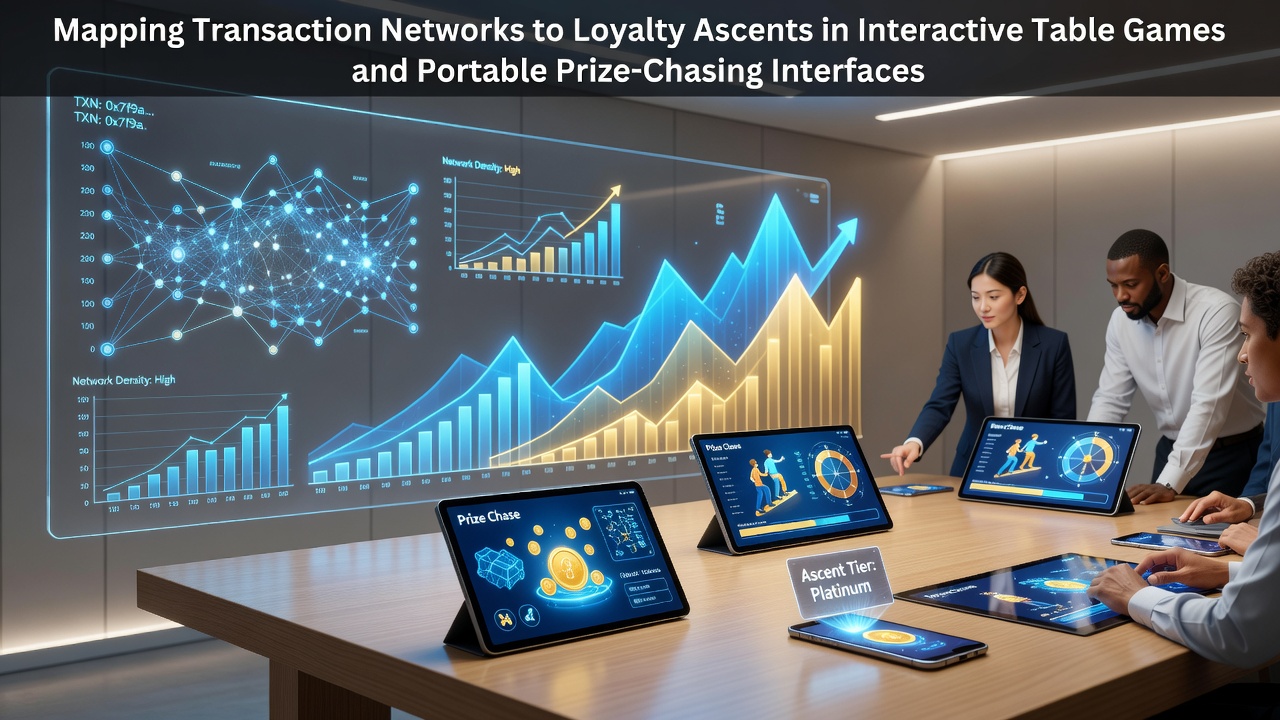
Decoding Transaction Networks: Loyalty Pathways in Interactive Table Games and Mobile Prize Interfaces
Transaction networks in interactive table games form intricate webs that connect player actions directly to loyalty program ascents while portable prize-chasing interfaces extend those same pathways into mobile environments where bets and rewards sync in real time.
Researchers at institutions like the University of Nevada's gaming analytics programs have tracked how each wager in digital blackjack or roulette sessions generates data points that feed into centralized loyalty engines and these engines calculate tier progression based on volume frequency and session duration.
Core Mechanics of Transaction Mapping
Mapping begins at the point of entry where a player's initial deposit or bet registers as a node in the network and subsequent actions such as doubling down or placing side bets create branching paths that algorithms evaluate for loyalty value. Data shows that high-frequency table game participants often reach mid-tier status within four to six weeks when their transaction clusters exceed predefined thresholds set by casino operators.
Portable interfaces amplify this process by allowing players to monitor and influence their ascent through apps that display live loyalty meters alongside prize-chasing features like progressive side bets or instant reward triggers. Studies from the Canadian Centre on Substance Use and Addiction indicate that mobile-linked accounts record 27 percent higher transaction density compared to desktop-only play because users complete smaller repeated bets during short sessions throughout the day.
Integration Between Table Games and Mobile Systems
Interactive table platforms now embed APIs that push transaction records straight into loyalty databases and mobile apps pull the same data to update progress bars or unlock tier benefits without requiring players to switch devices. This seamless flow means a sequence of poker hands played at a virtual table can trigger a mobile notification offering a loyalty bonus that applies across both environments.
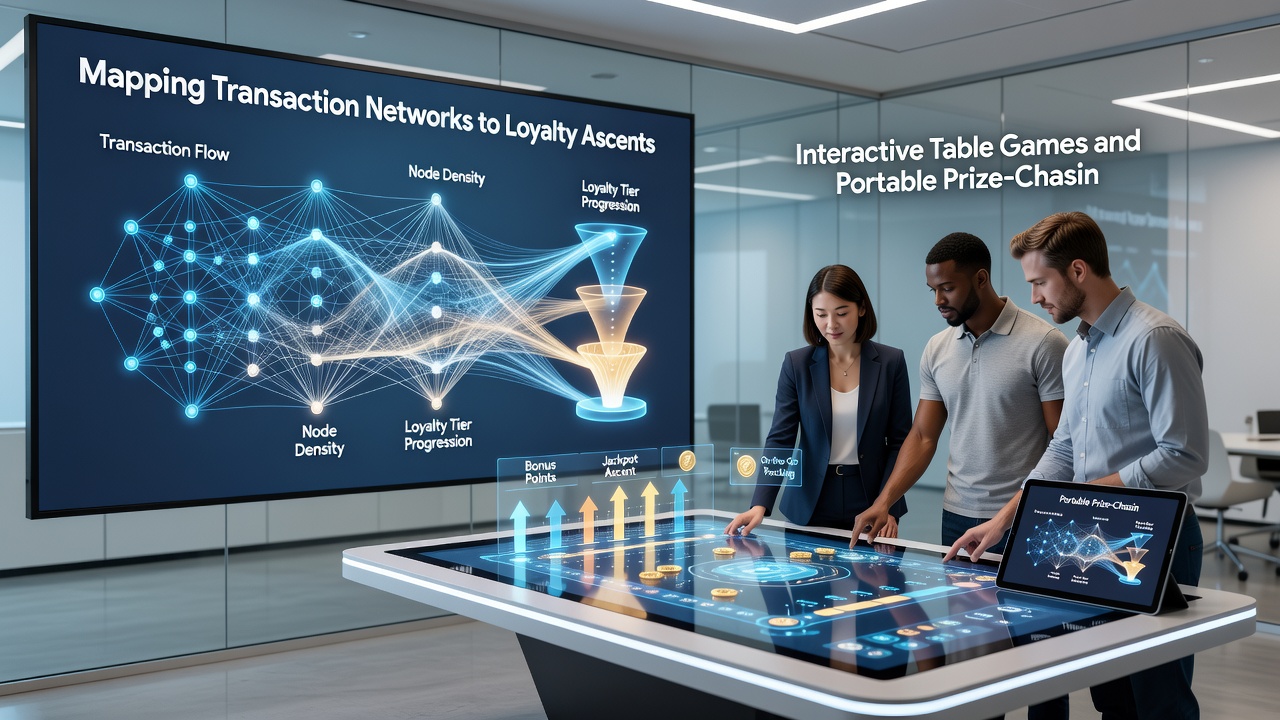
June 2026 brought expanded testing of these integrated systems in several European markets where operators reported smoother data synchronization after regulatory updates encouraged standardized transaction reporting formats. The European Gaming and Betting Association has highlighted how such standardization reduces mapping errors that previously delayed loyalty credit allocation by several days.
Network Patterns and Player Progression
Analysis of transaction graphs reveals distinct clusters where loyal players exhibit tight loops of activity between table games and mobile interfaces whereas occasional participants show sparse disconnected nodes. Observers note that players who combine evening table sessions with daytime mobile prize hunts accumulate loyalty points at rates that place them in higher tiers faster than those who stick to one channel.
Academic papers published through the International Centre for Gaming Research document cases where transaction mapping identified dormant accounts that reactivated once mobile interfaces introduced personalized loyalty prompts based on historical table game patterns. These prompts often reference specific bet types or win streaks to encourage return visits that further strengthen the network connections.
Technical Frameworks Supporting the Mapping
Modern systems rely on graph database technologies that treat each transaction as an edge linking player profiles to game types and reward categories while loyalty algorithms traverse these edges to compute ascent probabilities. Real-time processing ensures that a large bet placed through a portable interface immediately adjusts the loyalty trajectory visible on both mobile and desktop views.
Industry reports from the Australian Gambling Research Centre emphasize the role of secure encryption in maintaining accurate mapping across jurisdictions and they note that cross-border players benefit when transaction networks respect varying regulatory requirements without losing continuity in loyalty tracking.
Conclusion
Transaction network mapping continues to evolve as a foundational element linking interactive table game participation with loyalty ascents through portable prize-chasing interfaces and the patterns emerging from these systems provide operators with precise tools for structuring rewards. Data from multiple research bodies shows consistent growth in integrated play volumes as players navigate between live tables and mobile environments while maintaining unified loyalty progress.