Decoding Incentive Networks: Transaction Velocity's Role in Loyalty Advancement and Prize Retrieval Across Digital Reel Systems
Written by Eden Perry · Jun 6, 2026
Decoding Incentive Networks: Transaction Velocity's Role in Loyalty Advancement and Prize Retrieval Across Digital Reel Systems
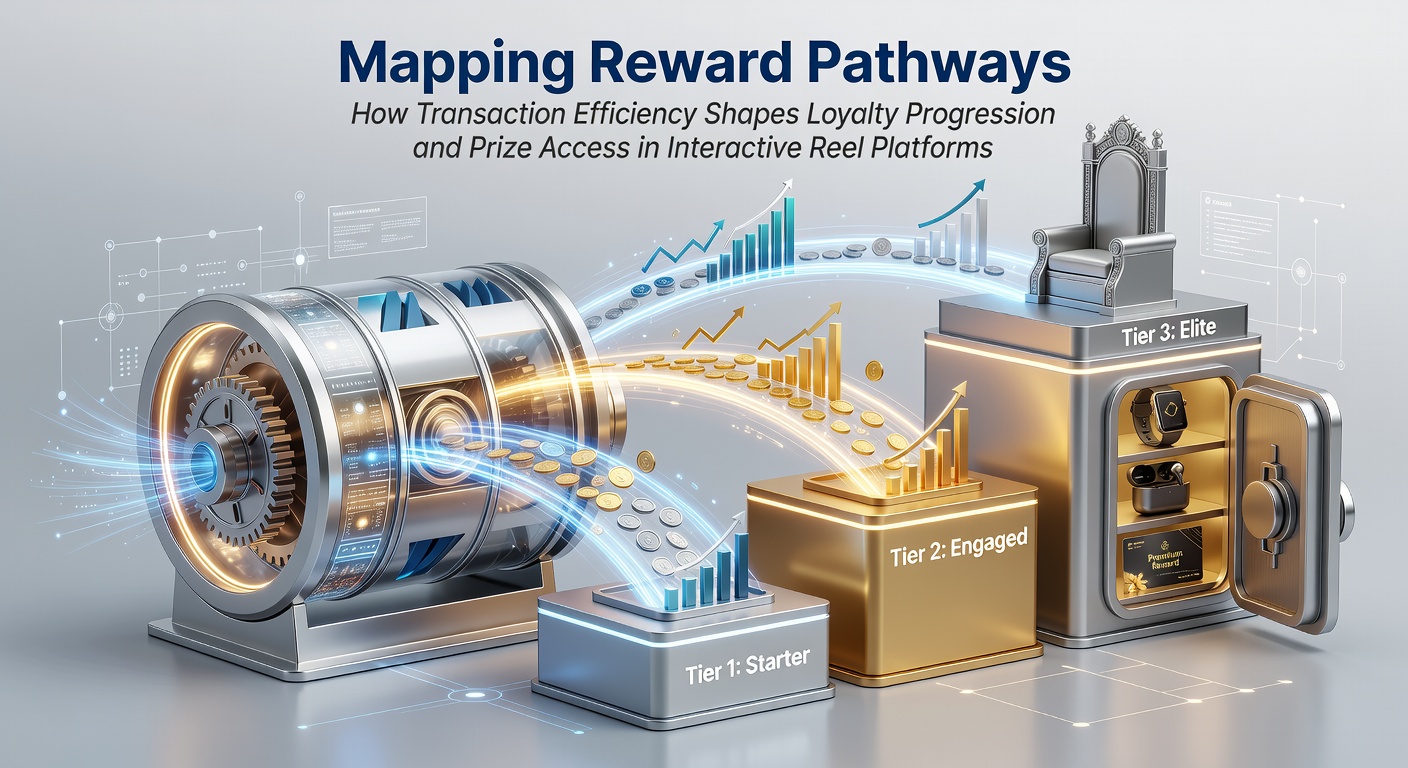
Interactive reel platforms operate through layered systems where transaction efficiency directly influences how users progress through loyalty tiers and gain access to prizes, according to analyses from multiple industry studies. Platforms process deposits, withdrawals, and in-game purchases at varying speeds, and these rates determine the pace at which reward pathways activate and unlock subsequent stages. Data from platform operators shows that faster transaction cycles correlate with higher retention rates because users encounter fewer interruptions between actions and rewards.
Core Mechanics of Reward Pathway Mapping
Researchers at academic institutions have mapped these pathways by tracking sequences from initial user deposits through tiered loyalty accumulation and eventual prize distribution. Each stage depends on transaction confirmation times, with delays creating bottlenecks that slow progression. For instance, platforms using instant verification methods allow loyalty points to accrue in real time, whereas slower processors require users to wait before advancing. Studies indicate that systems employing blockchain-based confirmations or integrated payment gateways reduce average processing from hours to seconds, thereby accelerating the entire reward cycle.
Transaction efficiency also shapes prize access by controlling when users meet eligibility thresholds. In many setups, prizes such as bonus rounds or accumulated jackpots become available only after a set number of verified transactions. When these verifications occur rapidly, users reach thresholds sooner and maintain momentum through the loyalty ladder. Observers note that platforms optimizing for low-latency payments see increased engagement metrics because the friction between action and reward diminishes substantially.
Loyalty Progression Through Efficient Transactions
Loyalty programs within these platforms typically feature multiple tiers, each granting escalating benefits like enhanced prize multipliers or exclusive reel features. Progression relies on cumulative transaction volume and frequency, metrics that efficient systems amplify. A report from the Canadian Gaming Association highlights how operators implementing real-time settlement protocols observed tier advancement rates rise by measurable percentages compared to traditional batch-processing models. Users complete required transaction counts more readily when confirmations arrive without delay, which in turn unlocks higher loyalty brackets at accelerated intervals.
Yet efficiency extends beyond speed to include reliability and transparency. Platforms that provide immediate transaction receipts and status updates enable users to track loyalty accumulation without uncertainty. This clarity supports sustained participation because individuals can plan subsequent actions based on confirmed progress rather than estimates. Data compiled across North American and European operators demonstrates that transparent transaction logs contribute to longer session durations and repeated returns.
Prize Access and Its Dependence on Payment Velocity
Prize retrieval mechanisms activate once loyalty milestones align with verified transaction histories. Efficient systems minimize the gap between milestone achievement and actual prize delivery, which researchers link to improved user satisfaction metrics. In cases where withdrawals or bonus activations require multiple confirmations, slower transaction speeds extend wait times and reduce the perceived value of accumulated rewards. Australian research institutions examining digital gaming interfaces found that platforms with sub-second processing times distributed prizes at higher volumes during peak activity periods.
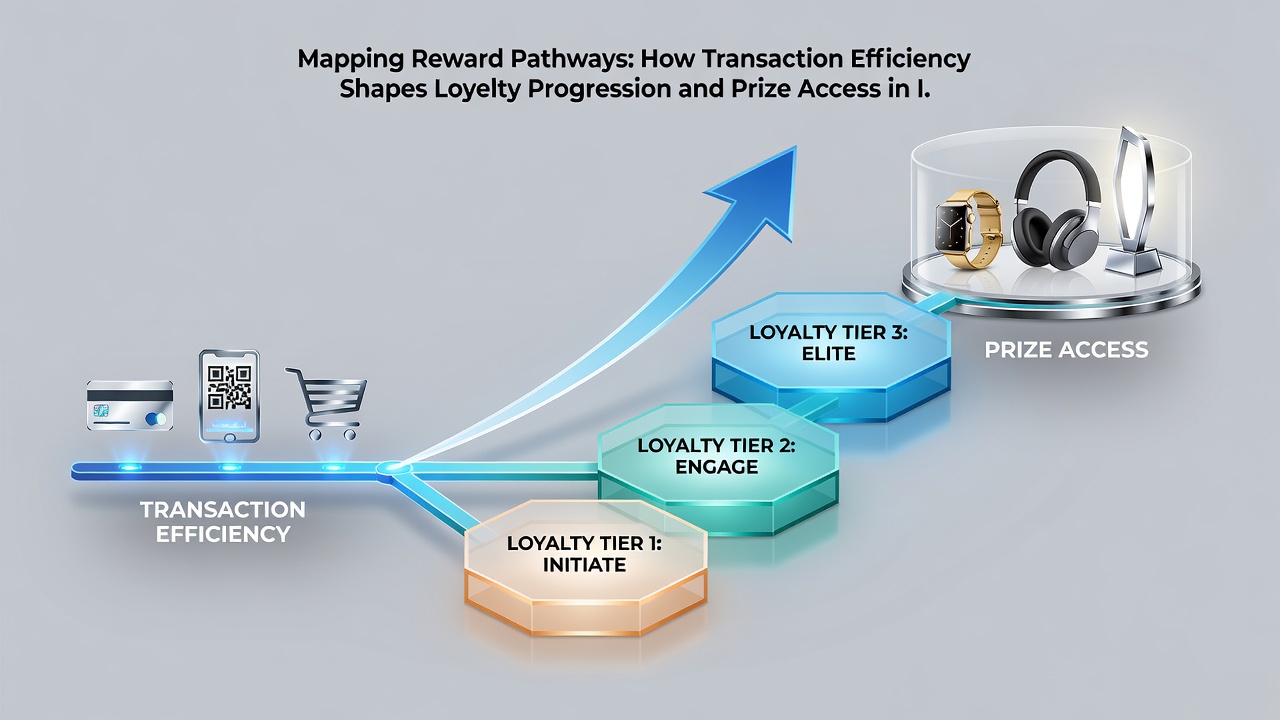
Integration with external financial networks further modulates these dynamics. Platforms connecting directly to banking rails or digital wallets bypass intermediary delays, allowing seamless movement of funds that support ongoing loyalty activities. Those who've examined transaction logs across various regions report that diversified payment options, including regional e-wallets popular in Asia-Pacific markets, enhance accessibility for global user bases and sustain momentum through reward pathways.
Comparative Analysis Across Platform Types
Different interactive reel environments employ distinct transaction architectures, leading to varied outcomes in loyalty and prize metrics. Standalone mobile applications often prioritize speed through optimized APIs, while browser-based platforms may incorporate additional security layers that extend processing durations. Figures from the European Gaming and Betting Association reveal that mobile-first designs achieve faster average transaction times, correlating with quicker tier ascents among frequent users. Hybrid models blending live elements with reel mechanics introduce additional variables, where transaction efficiency must accommodate real-time interactions without compromising reward integrity.
Platform operators continue refining these systems by adopting predictive algorithms that anticipate transaction loads and pre-allocate resources accordingly. Such advancements reduce peak-time congestion, ensuring consistent pathway flow regardless of user volume. Evidence from multiple operator datasets suggests that these optimizations maintain steady loyalty progression even during high-traffic windows like those observed in mid-2026 activity surges.
Conclusion
Transaction efficiency serves as a foundational element in how reward pathways function within interactive reel platforms, directly affecting the speed of loyalty advancement and the timing of prize access. By examining mapped sequences and performance data from diverse regions, patterns emerge showing that reduced processing times support sustained user movement through tiered systems. Continued developments in payment technologies promise further refinements to these networks, shaping future interactions across digital reel environments.