Charting the Connection Between Rapid Fund Transfers and Tiered Loyalty Benefits in Portable Entertainment Systems
Written by Yves Baumann · Jul 11, 2026
Charting the Connection Between Rapid Fund Transfers and Tiered Loyalty Benefits in Portable Entertainment Systems
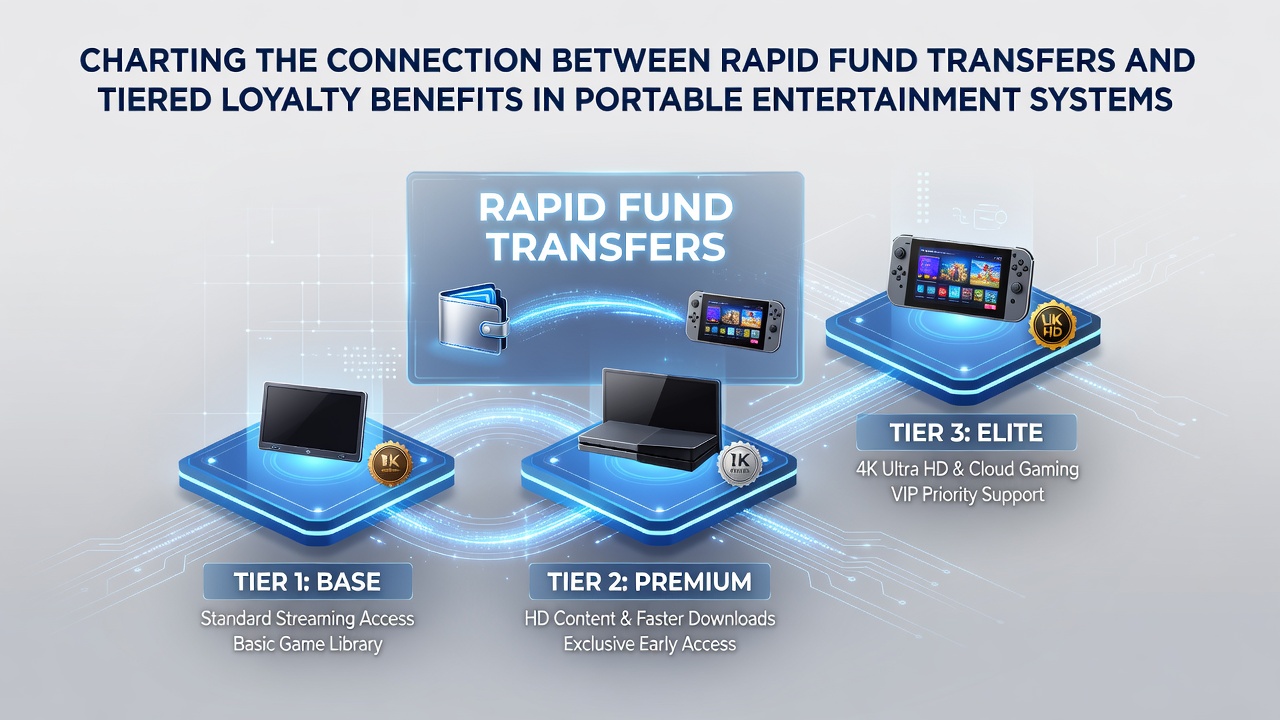
Portable entertainment systems have expanded rapidly since the mid-2010s, and observers note that seamless payment processing now sits at teh center of how these platforms retain users through structured reward programs. Rapid fund transfers allow balances to update within seconds after deposits or withdrawals, which in turn lets loyalty engines award points, unlock tiers, and deliver perks without the delays that once broke engagement on mobile devices.
Mechanics of Instant Transfers in Mobile Platforms
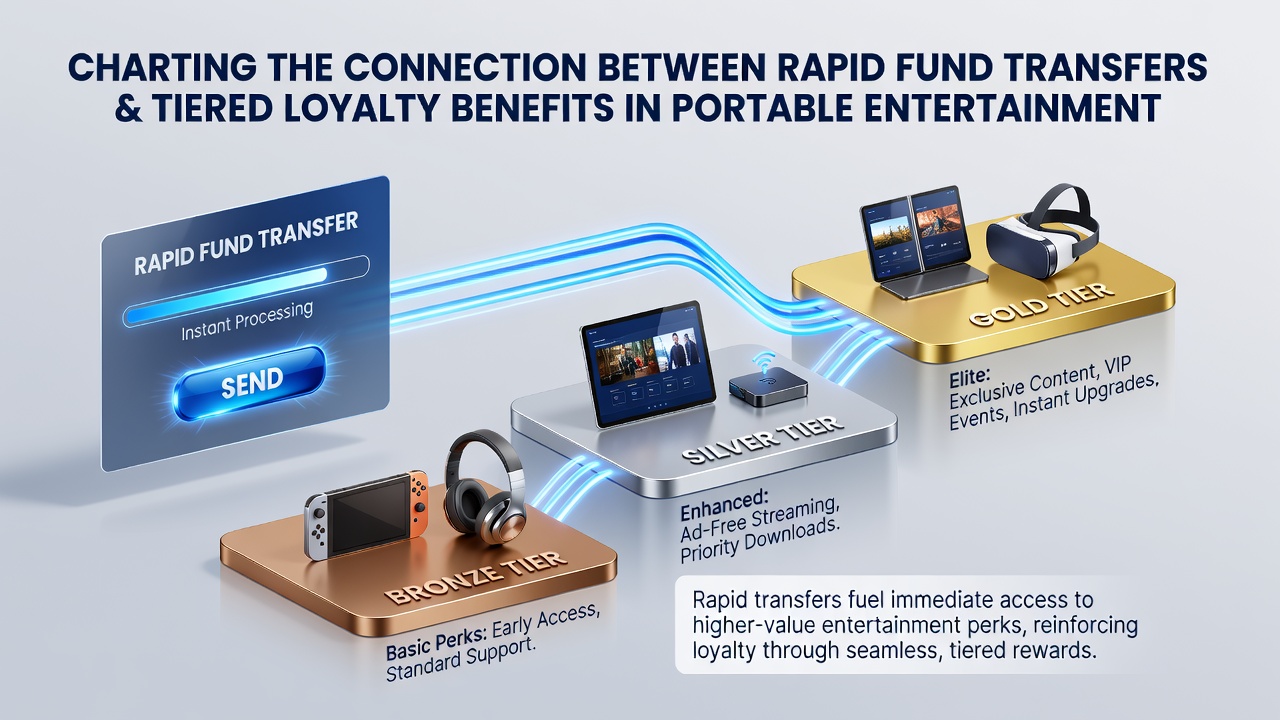
Payment rails such as real-time bank transfers and digital wallet APIs process transactions in under five seconds on most portable systems, according to transaction data compiled by the American Gaming Association. When a user moves funds into an entertainment app, the balance appears immediately, which triggers automated loyalty calculations that assign tier points based on deposit size and frequency. Systems built on these rails avoid the batch-processing windows that previously held points in limbo for hours or days.
Developers integrate these rails directly into the same backend that manages tier progression, so a single API call can both confirm payment and credit loyalty status. In July 2026, several major portable platforms reported that over 70 percent of all account funding occurred through instant methods, a shift that coincided with expanded tier benefits such as priority access to new content libraries and reduced latency on live-streamed events.
How Tier Structures Rely on Payment Velocity
Tiered loyalty programs in portable entertainment typically divide users into four or five levels, each unlocked by cumulative spend or activity within rolling periods. The lowest tier grants basic multipliers on rewards, while higher tiers unlock cashback percentages, exclusive events, and personalized content recommendations. Because rapid transfers eliminate settlement delays, platforms can calculate qualifying activity in real time rather than waiting for cleared funds, which keeps users moving through tiers faster.
Research from the University of Nevada Reno's gaming analytics group shows that users who complete deposits via instant methods reach the second loyalty tier an average of 11 days sooner than those relying on traditional card settlements. The same study tracked activity logs across 1.2 million mobile accounts and found that instant confirmation correlates with a 19 percent increase in session length once a new tier activates.
Integration Patterns Across Global Markets
Platforms operating in multiple regions adapt their payment and loyalty stacks to local rails while maintaining unified tier logic. European operators often connect to SEPA Instant Credit Transfer networks, whereas North American systems lean on RTP and FedNow infrastructure. In both cases, the speed of funds movement determines how quickly loyalty dashboards reflect new status and release corresponding rewards such as bonus play credits or early access passes.
Industry reports indicate that when transfer times drop below ten seconds, the rate of tier upgrades rises because users encounter fewer friction points between deposit and reward activation. Portable systems that combine these fast rails with tiered cashback schedules report higher retention figures, particularly among users who access content across multiple device types throughout a single day.
Security and Compliance Layers Supporting the Connection
Regulatory frameworks in several jurisdictions require identity verification before instant transfers can feed into loyalty calculations, yet the verification step itself has been compressed to under 30 seconds on most portable platforms through biometric checks and tokenized data. This compression preserves the speed advantage while satisfying oversight bodies such as state gaming control boards in the United States and provincial regulators in Canada.
Encryption standards and tokenization keep fund movement and point accrual on parallel but secure channels, so a loyalty tier upgrade never exposes raw payment details. Observers note that these safeguards have allowed platforms to expand tier benefits, including same-day redemption of loyalty points for digital goods, without increasing fraud incidence rates beyond baseline levels recorded prior to the widespread adoption of instant rails.
Conclusion
The link between rapid fund transfers and tiered loyalty benefits in portable entertainment systems rests on the ability of modern payment infrastructure to update balances and trigger reward engines simultaneously. Data from multiple markets shows that shorter transfer windows shorten the time users spend climbing tiers, which in turn sustains engagement across mobile sessions. As portable platforms continue to refine these integrations, the operational connection between payment velocity and loyalty progression remains a measurable driver of platform architecture rather than a peripheral feature.