Charting Interactions Between Flexible Transactions and Reward Hierarchies in Mobile Gaming Platforms
Written by Eden Perry · Aug 13, 2026
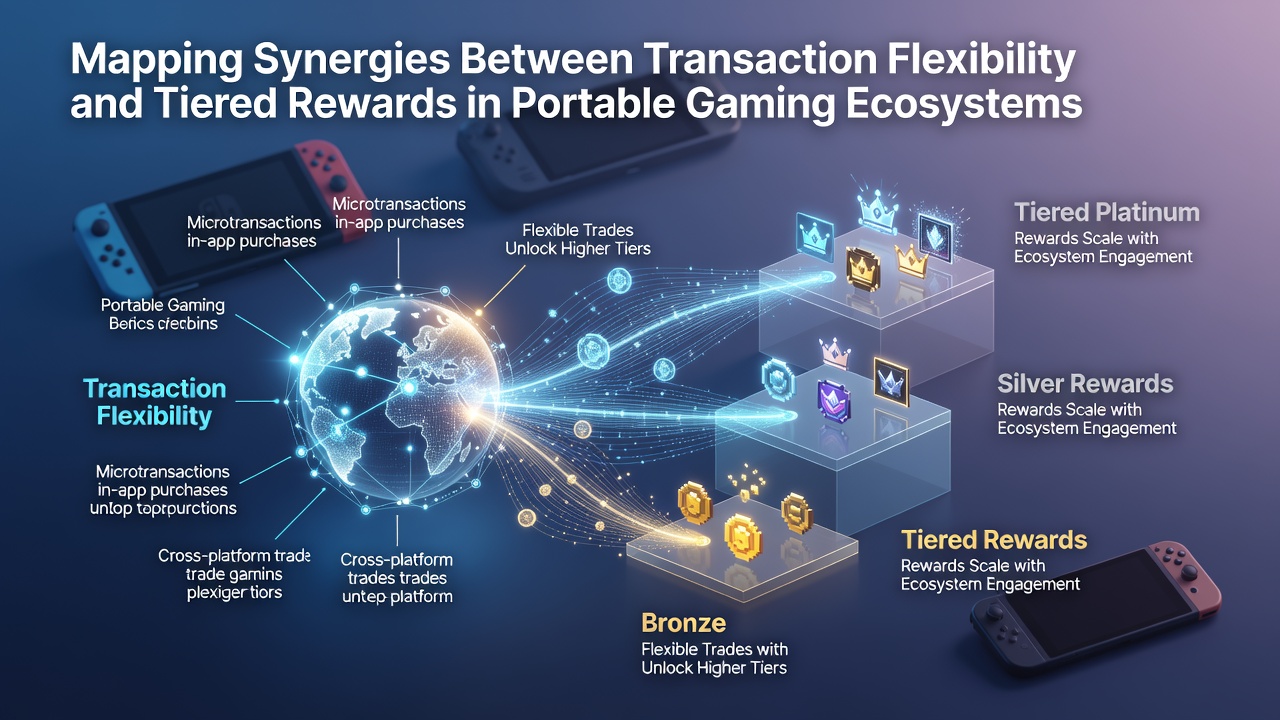
Charting Interactions Between Flexible Transactions and Reward Hierarchies in Mobile Gaming Platforms
Portable gaming ecosystems have expanded rapidly since the mid-2010s, and researchers track how flexible transaction mechanisms intersect with tiered reward structures to shape player retention across handheld devices. Data from industry reports indicate that mobile game revenues reached $90 billion globally in 2025, with payment flexibility serving as one driver alongside structured loyalty ladders that unlock incremental benefits at defined thresholds.
Defining Transaction Flexibility in Portable Environments
Transaction flexibility encompasses options such as variable payment amounts, multiple currency supports, and seamless integration with digital wallets or carrier billing, and analysts note these features reduce friction during in-app purchases. Studies from the Entertainment Software Association reveal that 68 percent of mobile gamers in North America completed at least one transaction in 2025 when platforms offered instant currency conversion alongside standard credit methods.
Developers implement these systems through APIs that adapt to regional regulations, while users encounter choices like splitting payments across accounts or deferring charges to the next billing cycle. Evidence from platform telemetry shows that games incorporating such adaptability recorded average session lengths 22 percent longer than those limited to fixed-price bundles.
Structure of Tiered Rewards in Mobile Ecosystems
Tiered rewards operate through progressive levels where players accumulate points or experience to access escalating perks, and these often include exclusive cosmetics, boosted resource rates, or priority customer support. Figures from academic analyses at institutions like the University of Southern California demonstrate that retention curves steepen when tiers reset on monthly cycles rather than remaining static across years.
Designers calibrate thresholds based on engagement metrics, so early tiers require modest activity while later stages demand sustained participation or larger cumulative spends. Observers note that portable titles with visible progress bars toward the next tier maintain daily active user rates 15 percent above comparable titles without such indicators.
Mapping Overlaps Between the Two Systems
Synergies emerge when transaction flexibility directly feeds into tier advancement, for instance by allowing partial payments that still contribute proportionally to reward points. Research indicates that platforms enabling micro-transactions under $1 alongside standard bundles see faster tier climbs among casual users who might otherwise abandon progression after initial barriers.
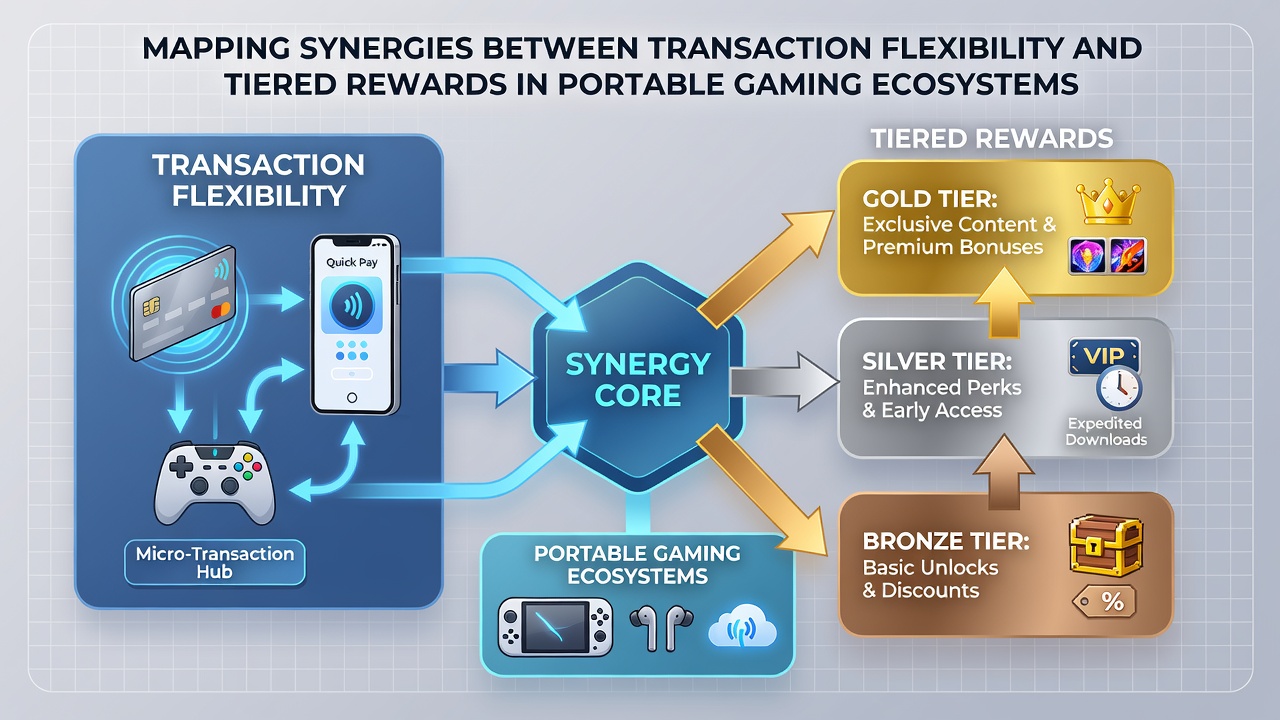
Payment options that support recurring subscriptions tied to tier maintenance create steady revenue streams, whereas one-time flexibility options like gift card redemptions accelerate entry into mid-level rewards. Data compiled through 2025 show subscription-linked tiers correlating with 31 percent higher lifetime value per user across major portable titles released after 2023.
Regional variations appear in how regulators approach these integrations, and sources from the Australian Communications and Media Authority highlight that clear disclosure of how each transaction affects tier status improves compliance scores without diminishing uptake. In parallel, Canadian provincial oversight bodies report similar patterns when operators provide real-time calculators showing projected tier gains from different payment volumes.
Technical Implementations Observed in Current Titles
Engineers build these synergies through backend systems that log every transaction against player profiles and automatically adjust tier eligibility, and cloud-based services handle the synchronization across devices so progress persists even when users switch between phones and tablets. August 2026 updates to several popular portable platforms introduced cross-currency multipliers that convert flexible payments into tier points at rates adjusted for local purchasing power.
Case examples include titles where players select payment frequency at checkout, with weekly options granting bonus multipliers toward the next reward level, whereas monthly commitments add stability bonuses at tier boundaries. Platform analytics from 2025 indicate that such choice architecture lifted conversion rates from free to paying users by 19 percent in tested cohorts.
Measurement Approaches and Performance Indicators
Analysts evaluate synergy strength through metrics that track transaction volume against tier advancement speed and subsequent engagement duration, and multivariate models isolate the contribution of flexible payments from baseline reward effects. Reports issued by research arms at organizations such as the Interactive Games and Mobile Association in Asia confirm that combined systems outperform isolated implementations on both revenue and retention axes.
Longitudinal data spanning 2024 to 2026 reveal seasonal spikes where flexible transaction campaigns timed with new tier releases produce compounded gains, particularly in markets with high smartphone penetration. Those who have examined the datasets note that attribution windows of 30 days capture most of the observable uplift before external factors dilute the signal.
Conclusion
Portable gaming continues to evolve through deliberate linkages between adaptable payment flows and graduated incentive ladders, and ongoing data collection from multiple regulatory and industry bodies supplies the evidence base for further refinement. Developers and platform operators reference these mapped interactions when updating mechanics, ensuring that transaction choices remain aligned with reward visibility across user segments.