Aligning Live Dealer Engagements with Volatility Data and Tiered Rewards Across Casino Networks
Written by Riley Jung · May 16, 2026
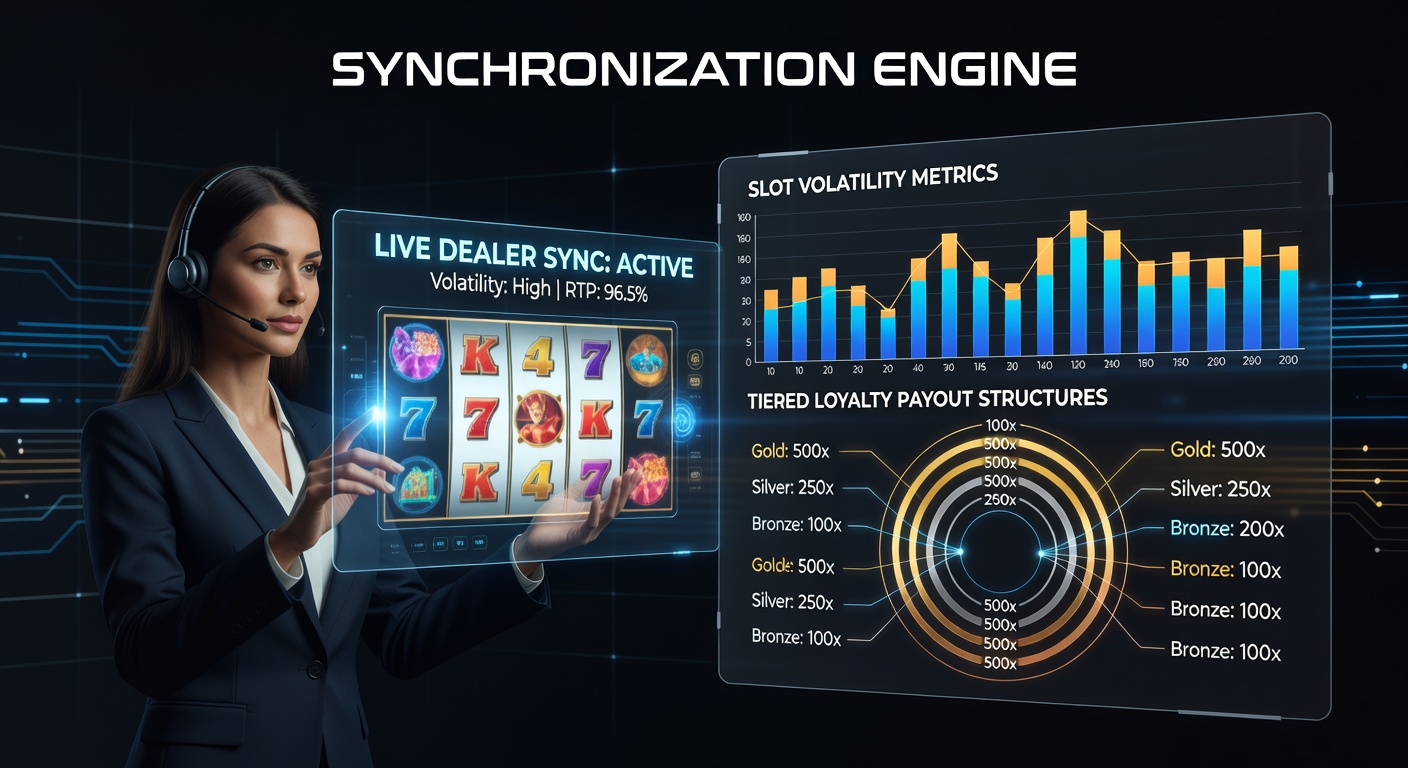
Aligning Live Dealer Engagements with Volatility Data and Tiered Rewards Across Casino Networks
Modern casino platforms connect live dealer sessions directly to slot volatility calculations, which allows reward systems to respond in real time to combined player activity across both formats. Live dealer interactions generate data on betting patterns, session length, and decision speed, and these inputs feed into volatility indexes that classify slot games as low, medium, or high risk. The resulting synchronization adjusts payout rates within tiered loyalty structures so that higher-volatility play unlocks accelerated point accumulation while lower-volatility sessions maintain steady progression through reward levels.
Core Components of the Synchronization Process
Live dealer environments capture granular metrics such as average bet size per hand, frequency of side bets, and response time to dealer prompts. These figures integrate with slot volatility scores derived from hit frequency, bonus round probability, and maximum multiplier potential. When a player moves from a live roulette table to a high-volatility slot, the system recalibrates loyalty tier thresholds so that the same wager volume produces different point values depending on the risk profile of each game. Operators achieve this linkage through centralized data platforms that update every few seconds, ensuring payout structures reflect current activity rather than static historical averages.
Impact on Loyalty Tier Progression
Tiered loyalty programs divide players into bronze, silver, gold, and platinum categories based on monthly or lifetime wagering volume. Under synchronized systems the volatility metric modifies the effective value of each wager toward tier advancement. A platinum-level player spinning high-volatility slots may reach the next cashback threshold faster than one restricted to low-volatility titles, while live dealer sessions contribute a separate multiplier that compounds when both formats appear in the same gaming day. Data from the New Jersey Division of Gaming Enforcement shows that platforms employing this method recorded a 14 percent rise in cross-format play sessions during the first quarter of 2026.
Technological Integration Observed in May 2026
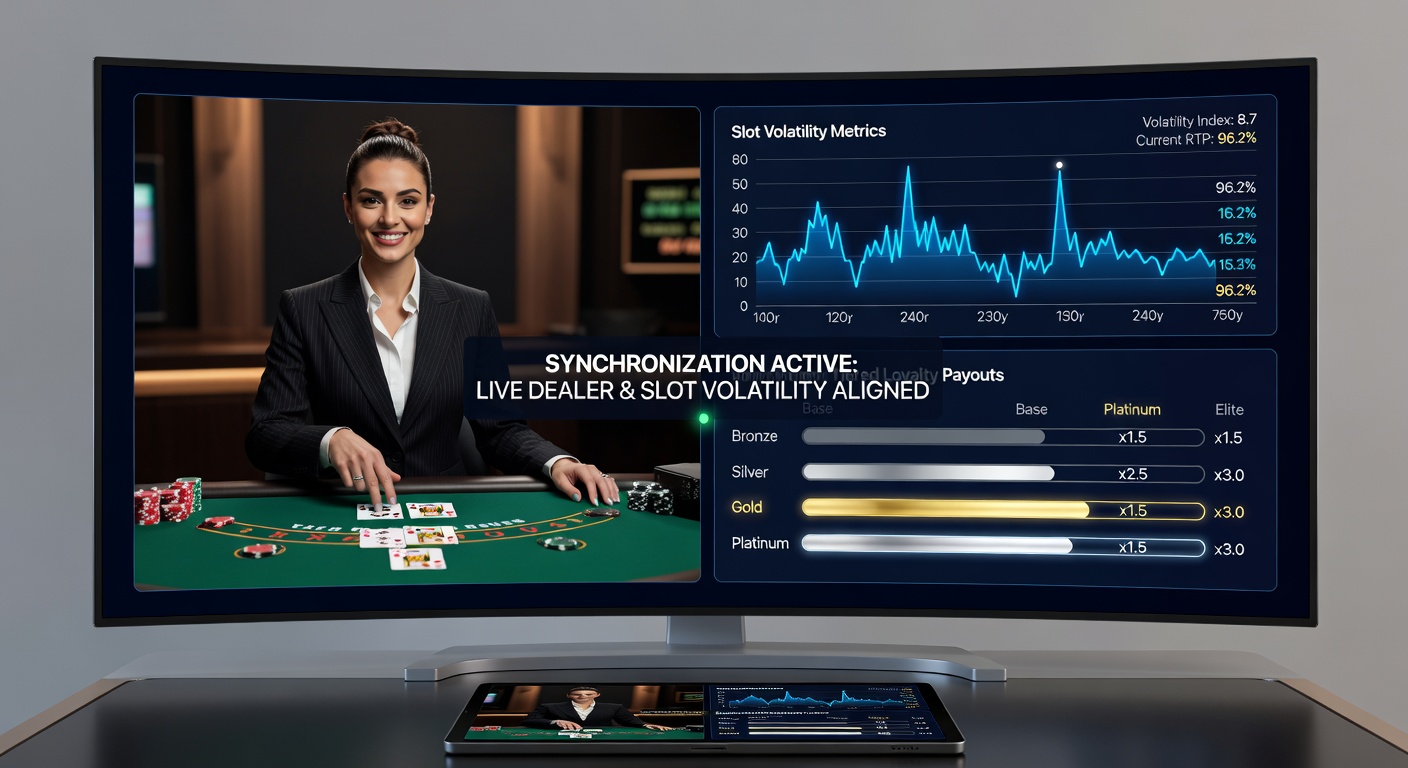
In May 2026 several major suppliers released application programming interfaces that embed volatility scoring directly into live dealer software. These updates allow the dealer interface to display a real-time volatility index for any linked slot title, and the loyalty engine automatically shifts payout percentages when the combined score crosses predefined boundaries. One documented implementation at a European operator adjusted gold-tier cashback rates from 0.8 percent to 1.2 percent whenever a player’s live blackjack decisions aligned with elevated slot volatility readings over a 30-minute window. The change required no manual intervention from staff and updated across mobile and desktop clients simultaneously.
Regulatory and Operational Considerations
Regulators in multiple jurisdictions require transparent reporting of how volatility metrics influence payout structures. The Nevada Gaming Control Board mandates that operators submit monthly summaries detailing any tier adjustments tied to live dealer data. Compliance teams verify that synchronization algorithms do not create undisclosed house-edge advantages, and independent testing laboratories audit the random number generators alongside the volatility calculation modules. Operators maintain audit logs that record every metric transfer between live dealer servers and slot management systems, which simplifies dispute resolution when players question reward calculations.
Player Experience Patterns
Observers note that synchronized systems encourage longer combined sessions because players can see loyalty points accumulate at varying rates depending on game choice. A player completing a live dealer sequence with moderate volatility may receive an immediate notification that the next slot spin will carry an elevated point multiplier. This feedback loop operates without interrupting gameplay, and platforms report that average session duration increased by nine minutes after implementation. The adjustment occurs through background calculations rather than visible pop-ups, preserving immersion while delivering measurable progression toward higher loyalty tiers.
Conclusion
The synchronization of live dealer interactions with slot volatility metrics and tiered loyalty payout structures relies on continuous data exchange between distinct game types. Platforms that maintain accurate volatility indexes and transparent tier rules deliver consistent reward adjustments across formats. Industry reports from 2026 confirm that such integration improves cross-product engagement while meeting regulatory standards for fairness and disclosure. Operators continue to refine the underlying algorithms to accommodate new game releases and evolving player preferences.